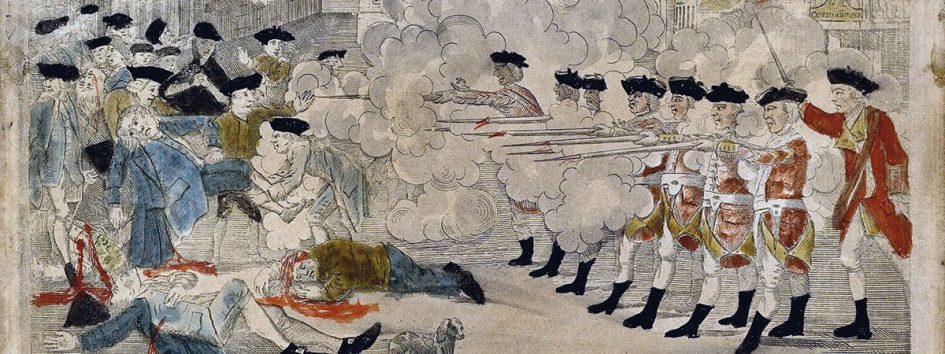
Thinking about revolutions? There were plenty of them, certainly – American Revolution, French Revolution, Industrial Revolution, The October Revolution, Cuban Revolution, and so on. However, these were all “modern”, product of our modern times. We often forget that the greatest and most powerful revolutions started thousands and thousands of years before anything “modern” took its first breath.
People rarely speak of those quiet revolutions, without weapons, bloodshed, or violence. They are interested in modern things because after all, they live in modern times. All of the abovementioned revolutions are unmistakenly modern, result of the new 18th century thought. But if we dig deeper into the term “revolution” itself, we would find that for a revolution to appear, it would actually involve certain profound, and far-reaching changes in the thought and structure of a society. However, many twentieth-century authors have defined revolution primarily as “change”. What do you think, a bit superficial? Oh yes. According to the political theorist Hannah Arendt “revolutions, properly speaking, did not exist prior to the modern; they are among the most recent of all major political data.” Another quote comes to my mind here – “there are no facts, only interpretations”, so to say that revolutions have existed only in modern times is merely a drop in the ocean of interpretations. And that would certainly be a polite way to answer the political theorist’s assertion.
It must never be forgotten that revolutions, in the meaningful sense, include “vital changes in all those great realms and structures which serve as the basis of civilization.”
And this is where we have to go back to those quiet, bloodless revolutions before the start of the first civilizations. I will wholeheartedly name them…
The three most significant human revolutions of the Old world:
- The transition from hunting and gathering to a sedentary lifestyle.
- The transition from oval to a straight and rectangular shape (always suggest a human activity, rectangular shapes never occur in nature;)
- The invention of writing.
Dwell on that.
Leave a Reply