In the unfortunate times of the Covid pandemic that we currently live in, masks are the one thing you cannot go without. To be or not to be? To wear or not to wear? You. Wear. Period. Some people even have masks for every day of the week, for every outfit and occasion. It is the new normal. As one Mandalorian would say: This is the way. Well… IT IS the way now.
I believe that there will never be a better century to unmask the mask itself. To dig into the history of some masks and their usage… for the world is full of fascinating masks that have their own story to tell.
The history of mask-making and mask-using people with all their purposes and variations is a very long one, dating from the long-forgotten prehistoric times. Due to their long history, masks have almost indefinite variations in terms of shapes, sizes, material and usage.
The further we go back in time, the harder it is to distinguish what the purpose of a specific mask was. Sometimes we can only guess. However, it is possible to divide masks into several categories:
- Masks worn for religious purposes
- Masks worn for festive occasions/social events
- Masks worn for warfare
- Masks worn for protection (health) <– we are here
- Death masks/Life masks
In this post I will look into all of them by showing some great examples for every category.
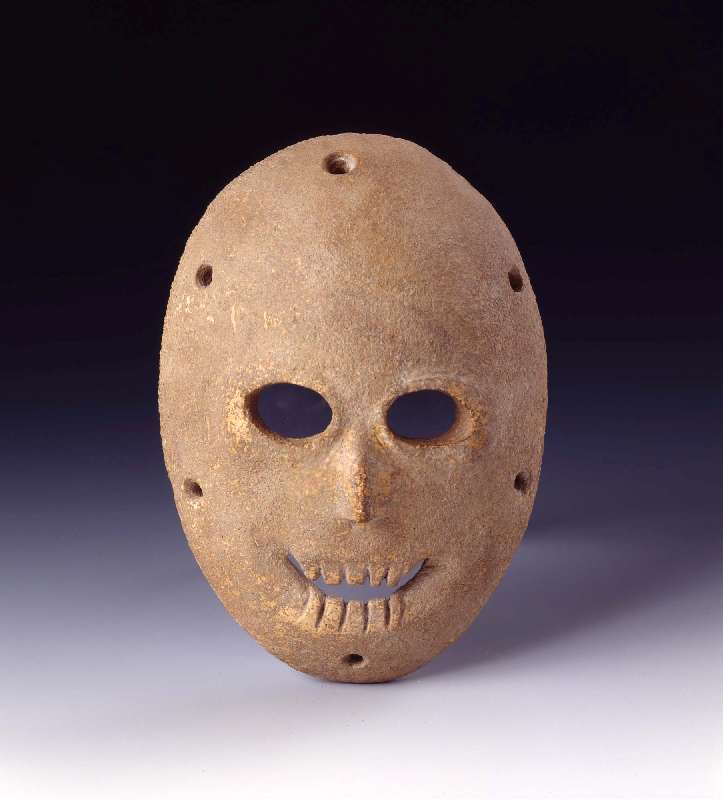
The oldest masks in the world are from the Neolithic period (8300 – 5500 B.C.) and were made out of stone. Scientists believe that they are cult masks and therefore have served a religious role.
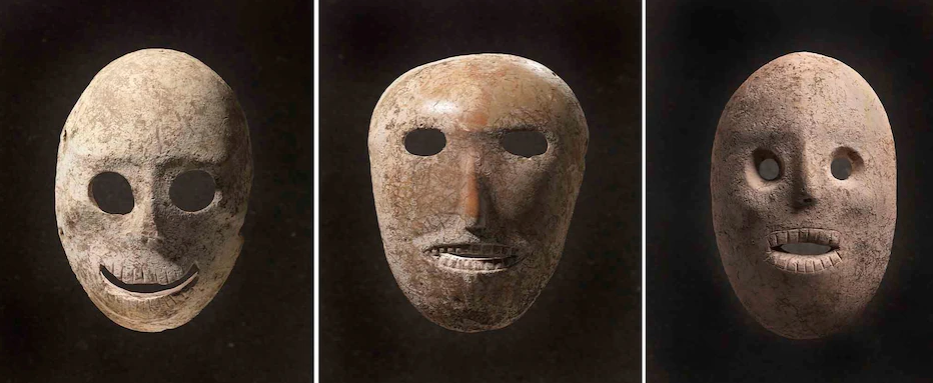
All of them were found in the Judean Desert and Hills. On display in the Israel Museum in Jerusalem.
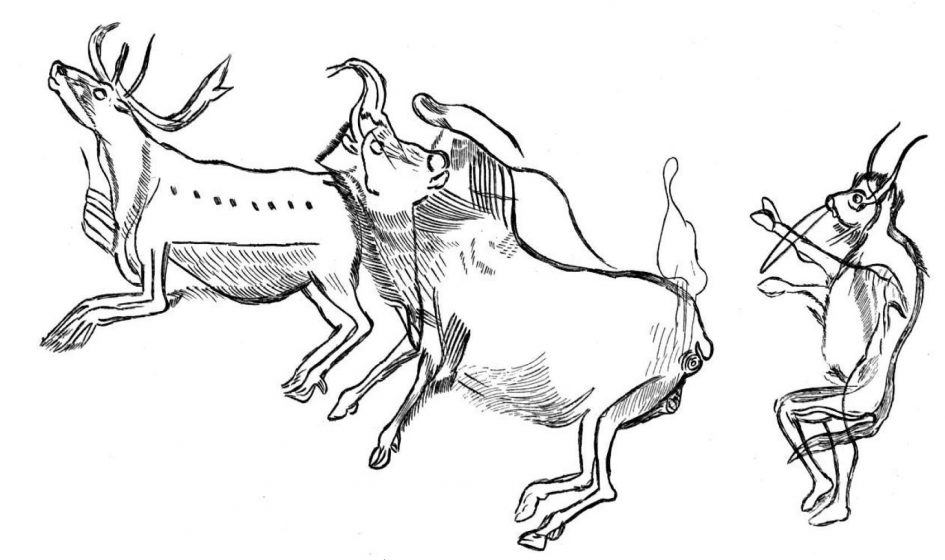
In contrast, there is a theory that suggests that the earliest use of masks in general may have been in connection with hunting rather than religion, and that people created them as a form of disguise. Look at my next image for that purpose.
Did I mention how extremely, exceptionally, utterly old the practice of masking actually is? Well, if I didn’t, it is visible in several paleolithic cave drawings, like the images of the Trois Frères cave in France.
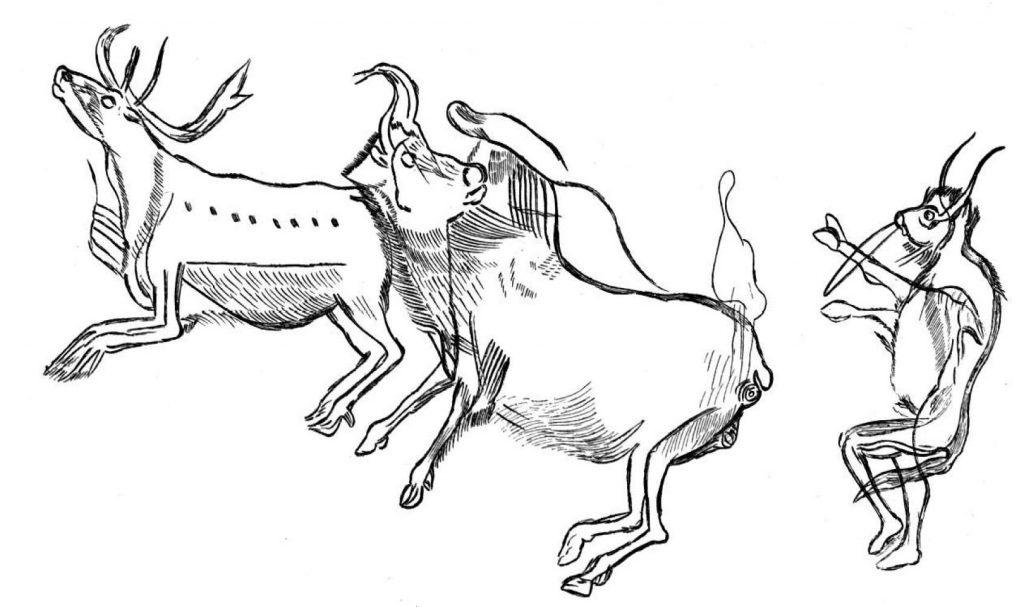
Most certainly that man ate some bison meat for dinner some 14.000 years ago.
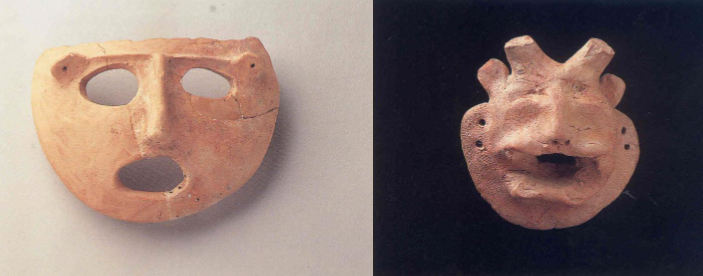
Indus valley civilization (3300 B.C. to 1300 B.C.),
National Museum of Pakistan
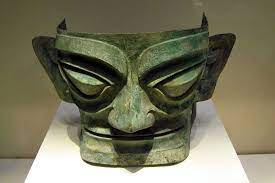
This mask is part of the “mysterious faces” masks found in Sanxingdui.
Their exact purpose is unknown.
They are bronze with exaggerated facial features and big in size.
Collection of Sanxingdui Museum
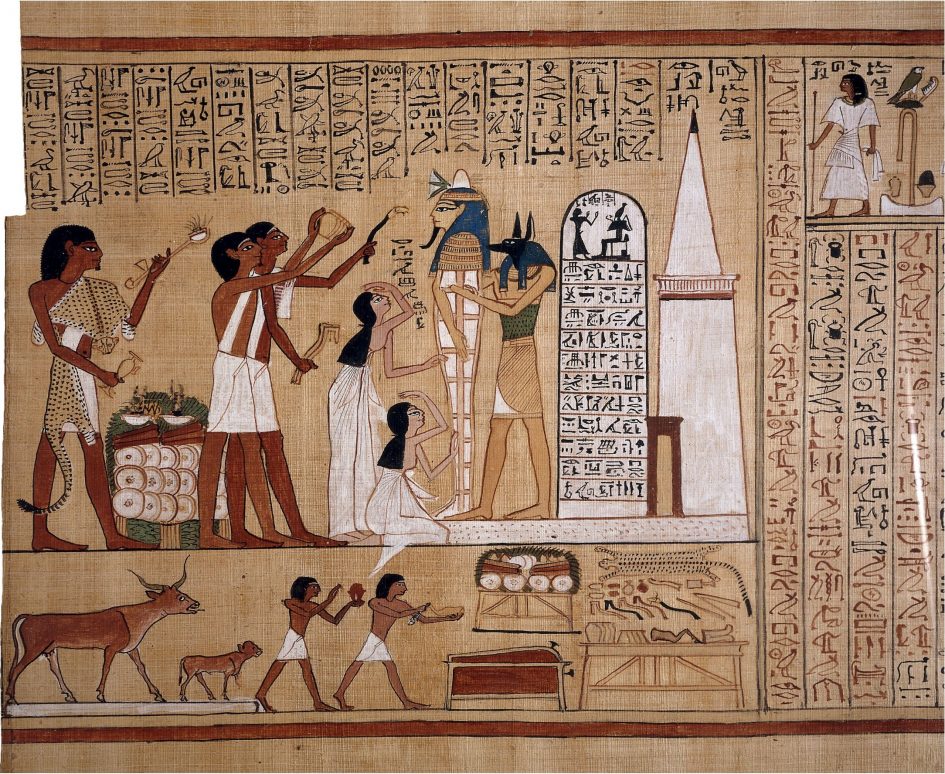
In Ancient Egypt, priests used special Anubis (Inpw) masks to perform the funerary rituals. We have many beautifully preserved depictions of such scenes.
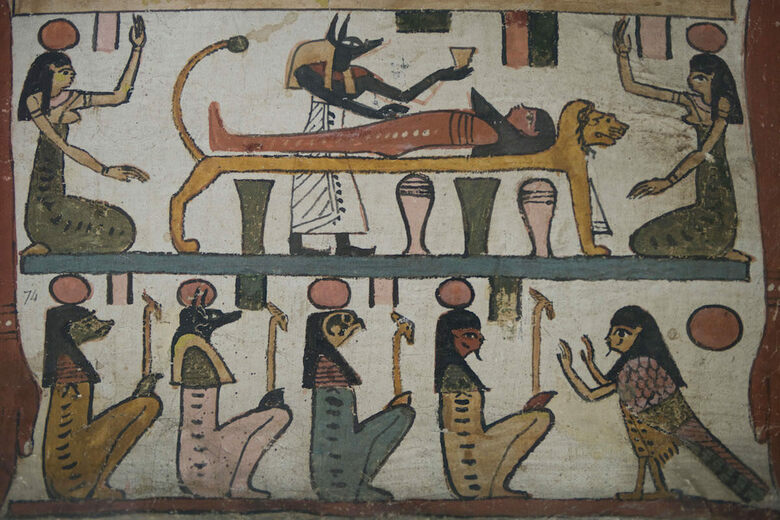
Fragment of a mummy mask showing a mummification scene
(Ptolemaic Period – 332-30BC), Turin – Egyptian Museum
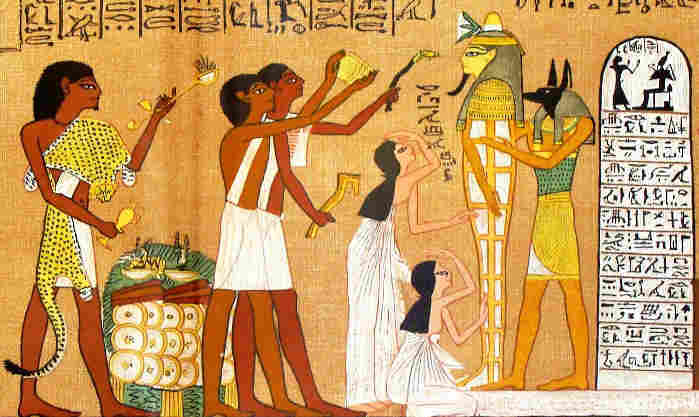
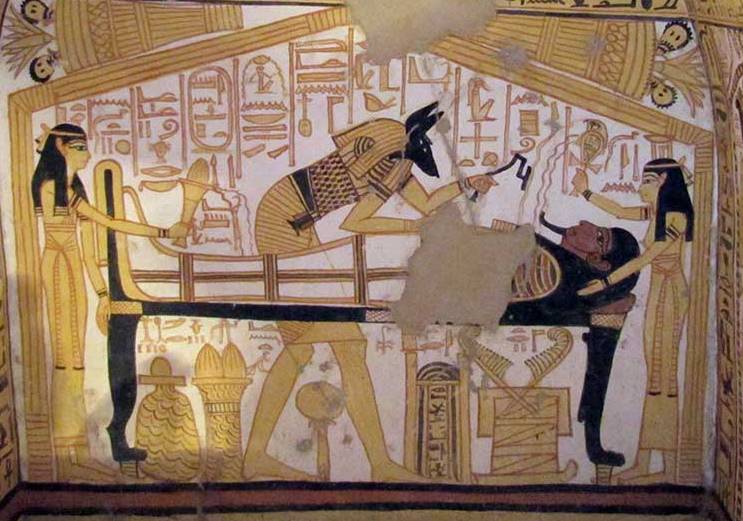
XIX Dynasty
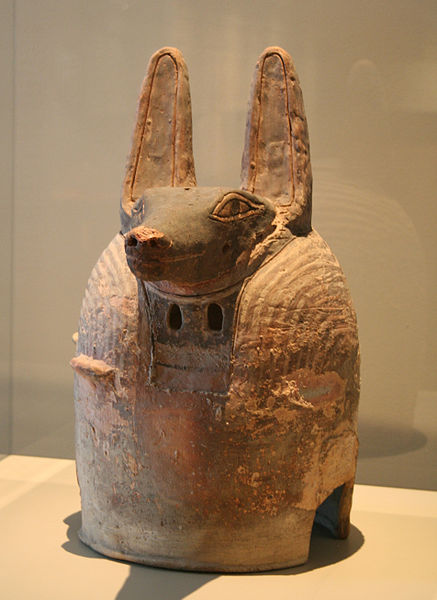
Anubis mask with eye holes for the wearer,
dating to Dynasty XXX.
That must have been very comfortable to wear.
Perhaps the most widely-known masks are the African ones. Nowadays people even use them all over the world as wall decorations. But they were not meant to be.
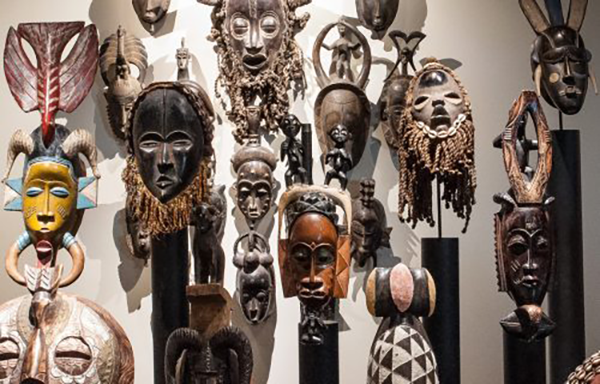
Every mask has a specific spiritual meaning.
They are most commonly made out of wood.
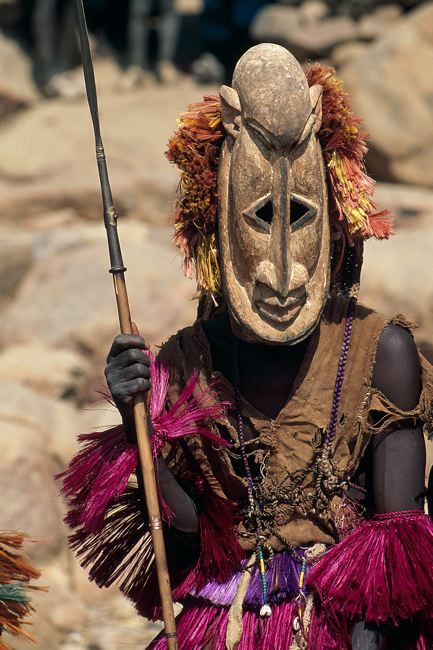
during the ceremonial dance performance.
There are some occasions where the thread between the first and the second category of masks is almost non-existant or is very thin. That is because it is only normal that the pagan festivals and their social events intertwine with religion.
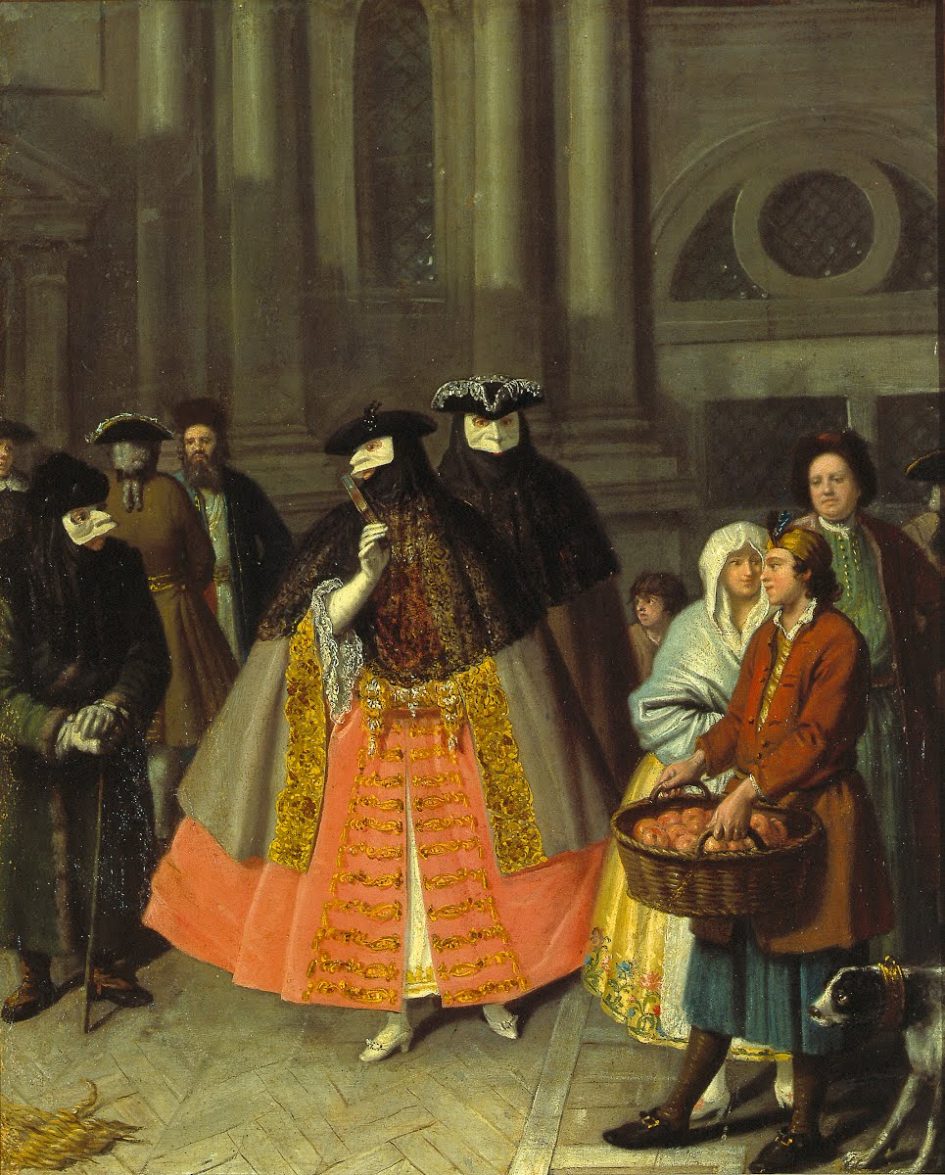
Going to the masks worn for festive occasions, the first thing that comes to my mind is the famous Carnival of Venice, dated back to the XIII century. In a society where social classes were very well defined and not intended to interact with each other, wearing a mask allowed people to loose their identity mingling with the crowd. How fun is that? Therefore you will be right to suggest that masks were very sought after for a variety of purposes, some of them very dissolute and criminal. I think it is understandable why masks became regulated by law.
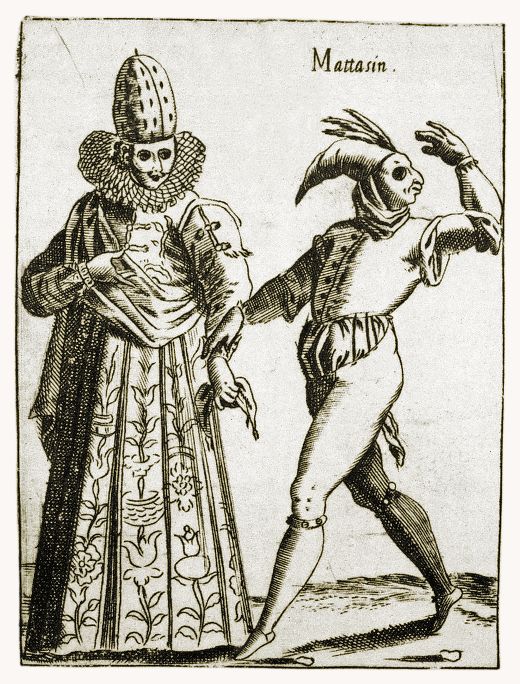
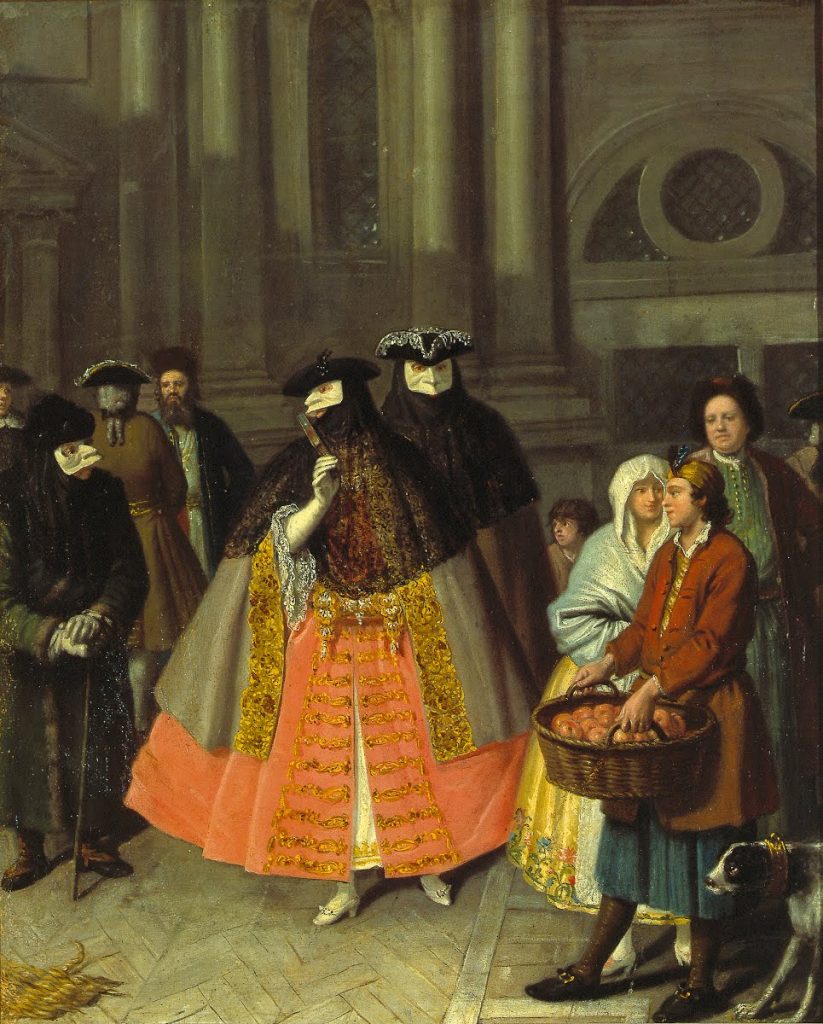
By law, one could wear a bauta mask for around six months out of the year.
Again, no wonder that at some point the use of masks was restricted by the law.
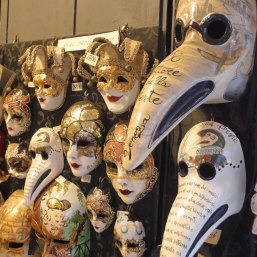
however is the Medico della peste mask.
The Plague Doctor’s mask with the long beak.
The creepy one, on the right, yes.
Masking was a practice that made Venice a truly unique place in the world, enriched by this tangible sense of mystery and freedom. The carnival became internationally famous and prestigious in the XVIII century, when it reached its widest and perhaps even wildest fame.
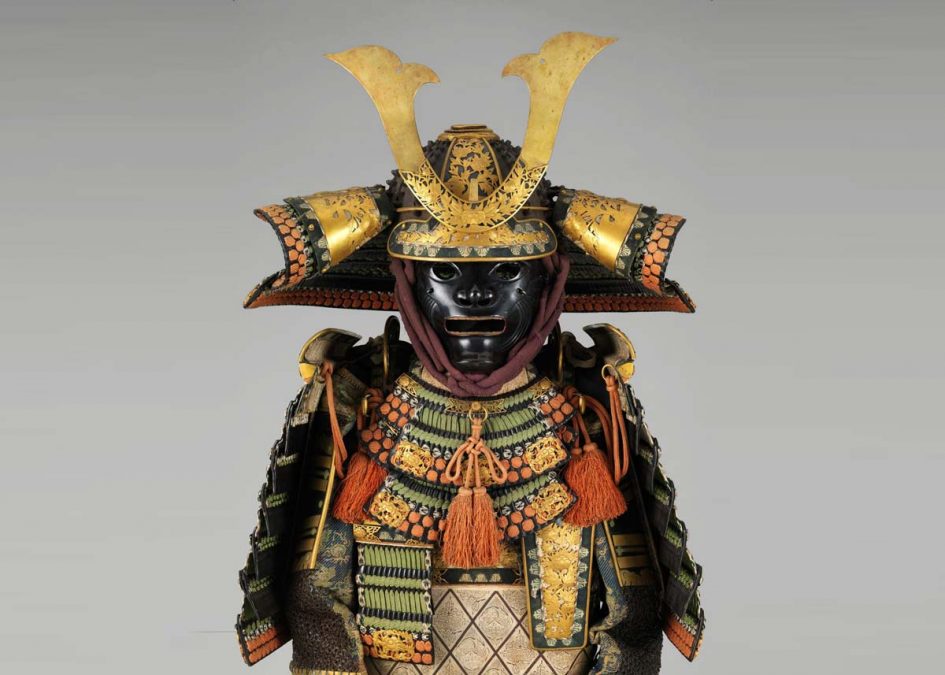
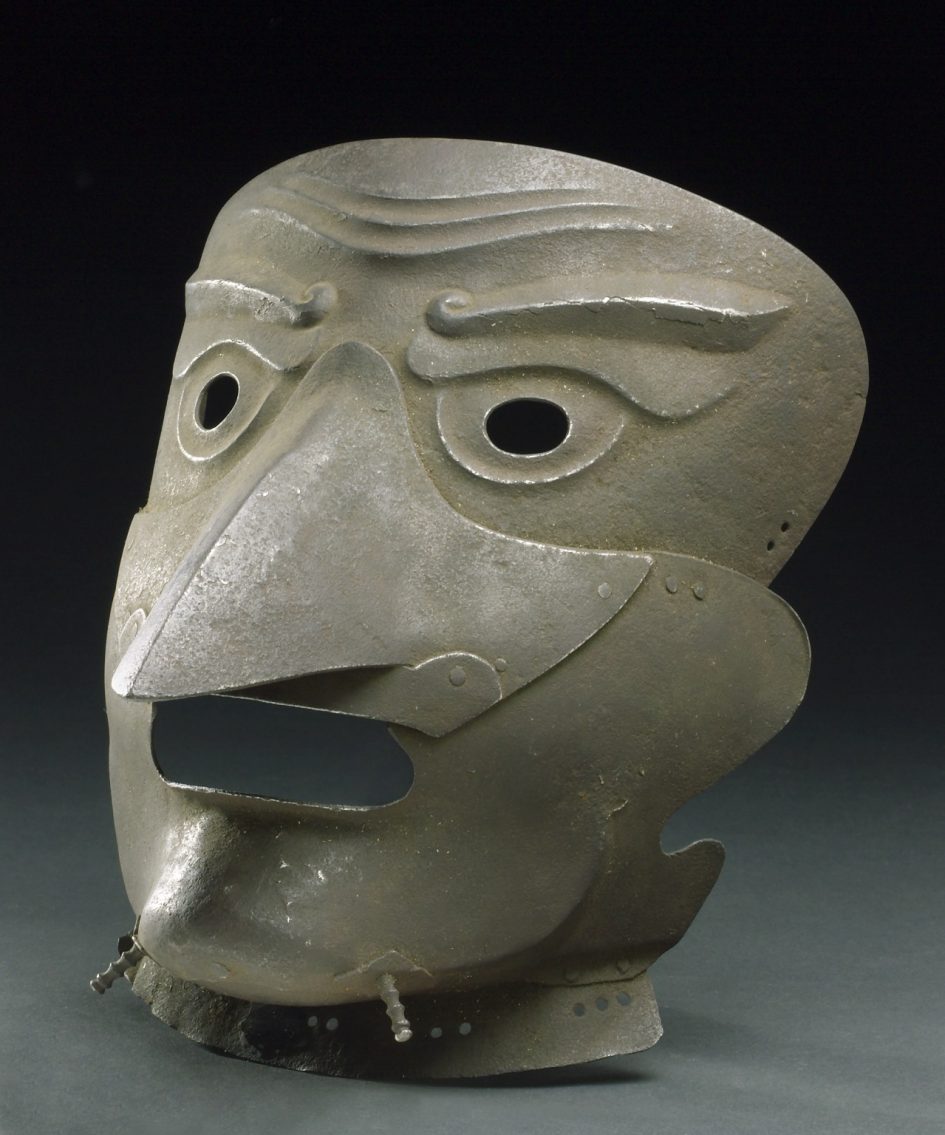
Masks were widely used in theatres. Perhaps you think you would have enjoyed a Japanese play in the XVIII century? Think again.
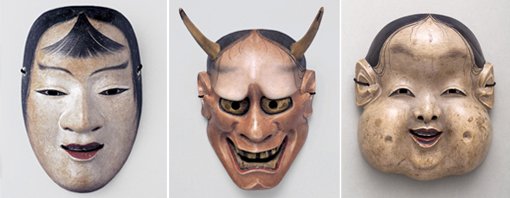
of why staying at home is the better idea.
What about a Roman or Greek comedy in the II or I century B.C?
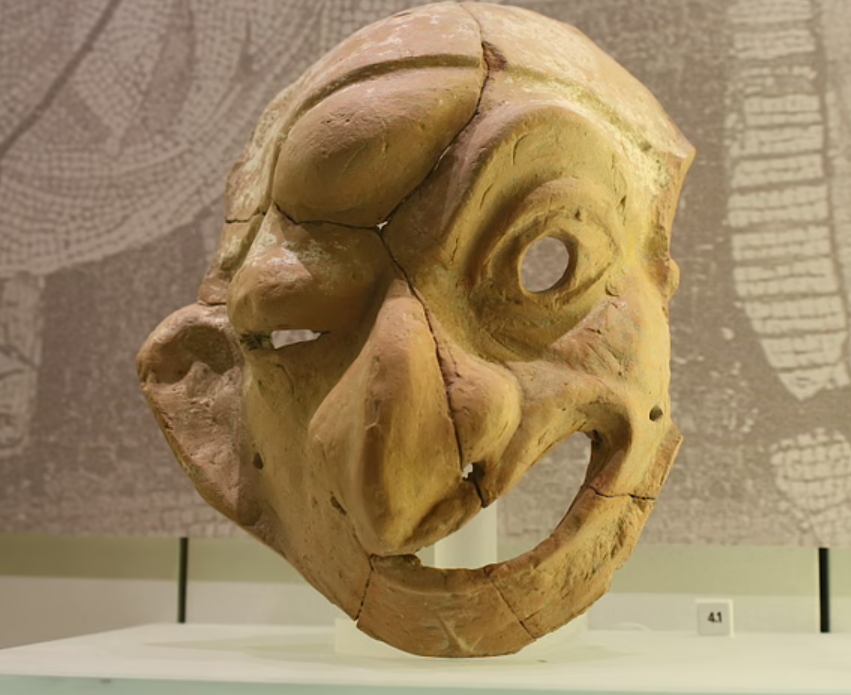
National Archaeological Museum of Taranto, Italy
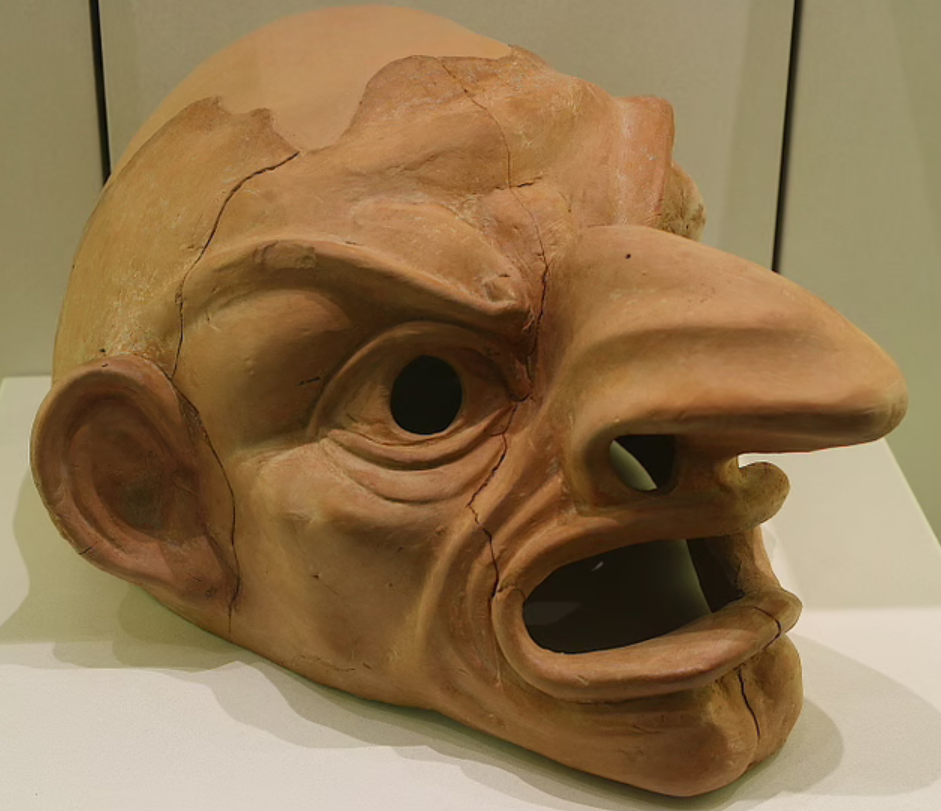
The Ancient Romans certainly had a very interesting sense of humour if this is what they used in their comedies. Can you imagine a drama play then?!
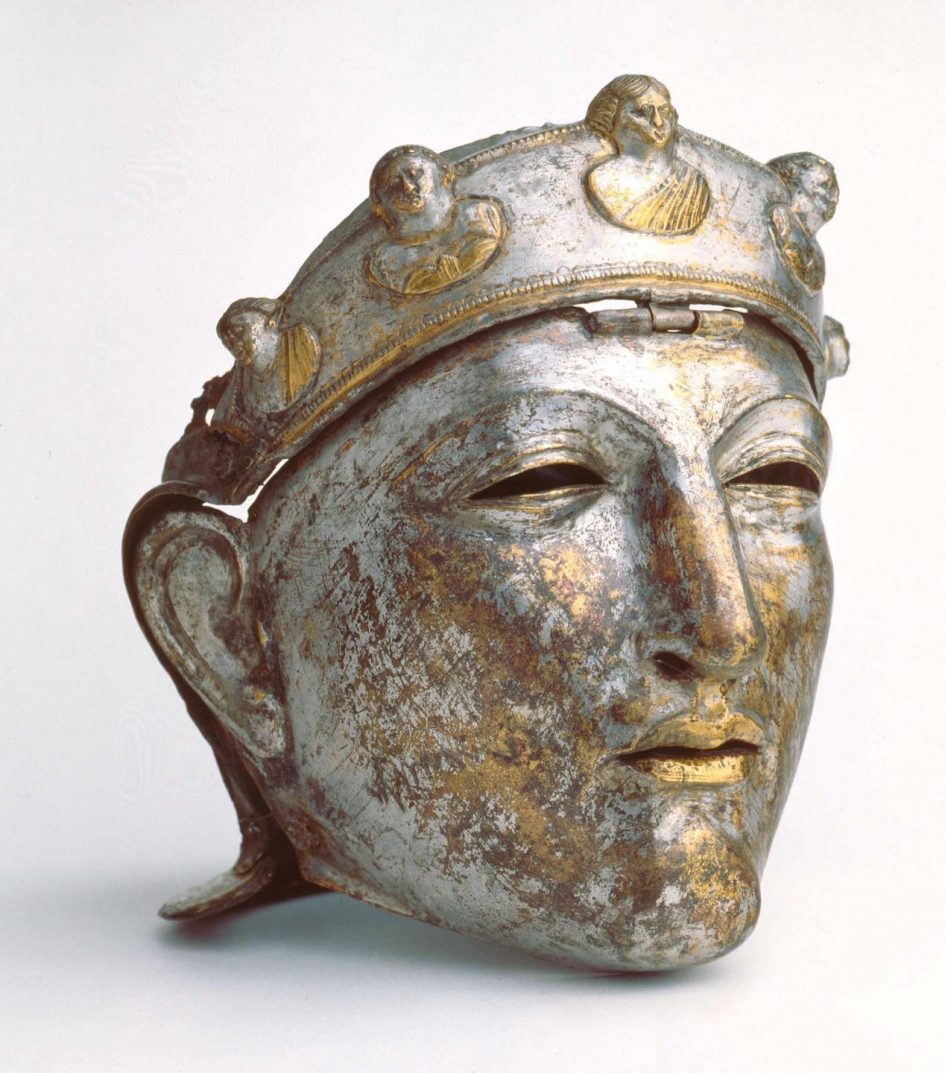
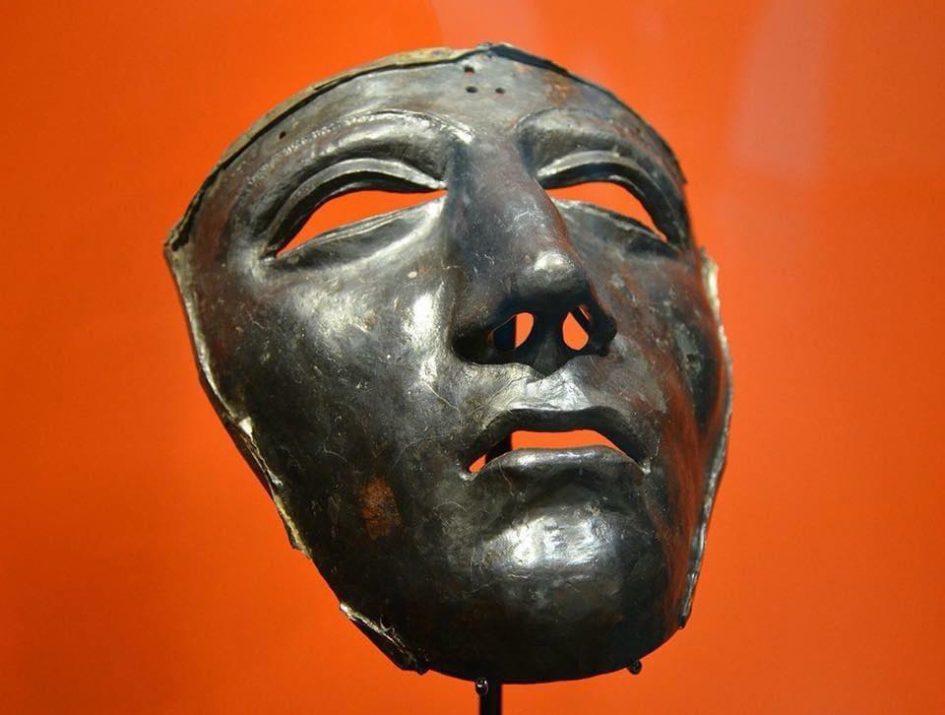
The next category of masks is the one about warfare. Here, I will not be mentioning the gas masks that were used in the two World Wars but something more interesting and certainly more pleasing to the eye, if not frightening. Masks were used in warefare not only to offer some protection but mainly for intimidation of the enemy. The war-masks were magnificent, some even decorated with silver and gold, and forged with stern and majestic expressions to inspire reverence amongst the followers and strike fear into their enemies. Now imagine thousands of these fast and furious, mask-wearing people riding towards you. It must have been terrifying. What I mean? Well, have a good look at some warefare masks and armour:
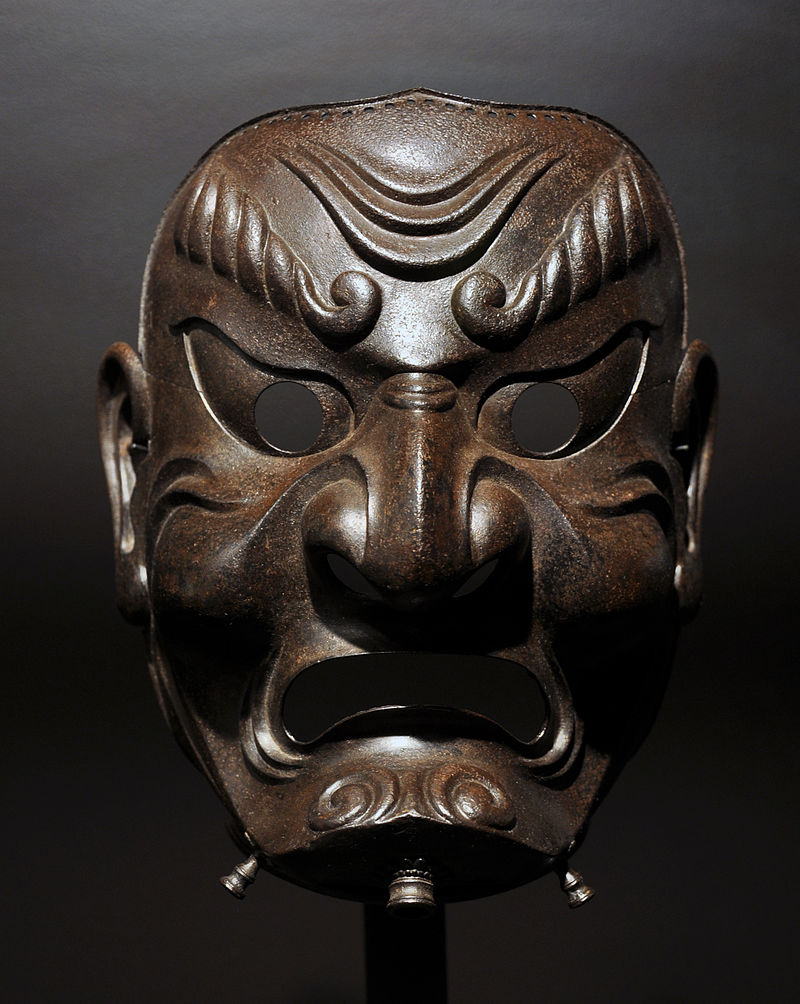
Ann and Gabriel Barbier-Mueller Museum, Dallas (Texas)
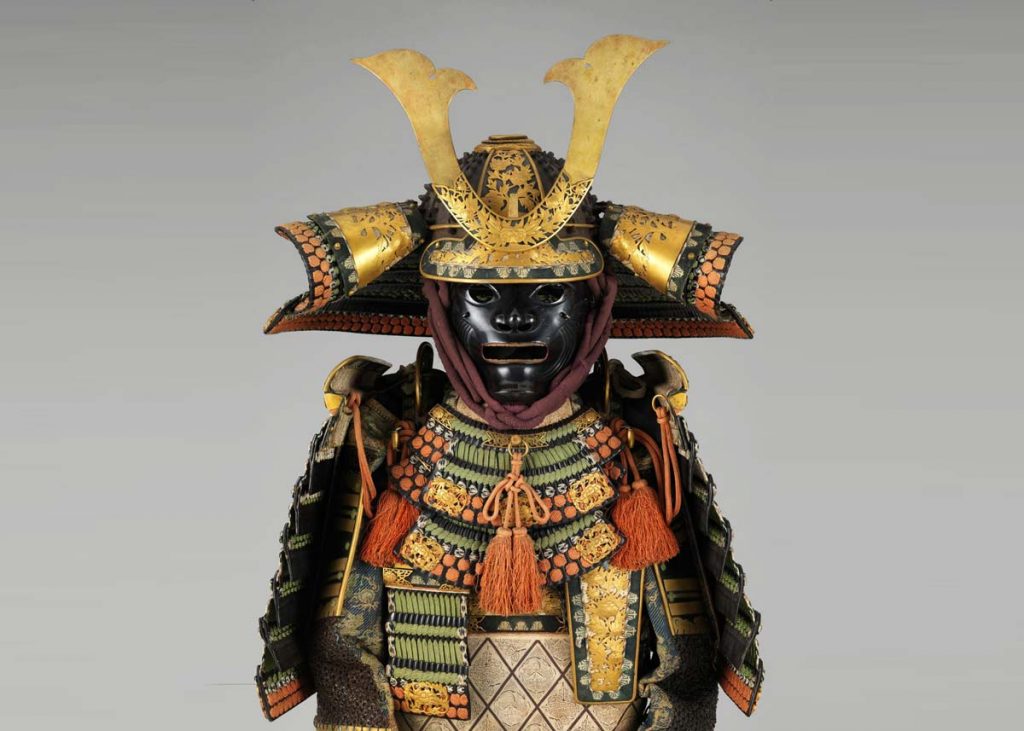
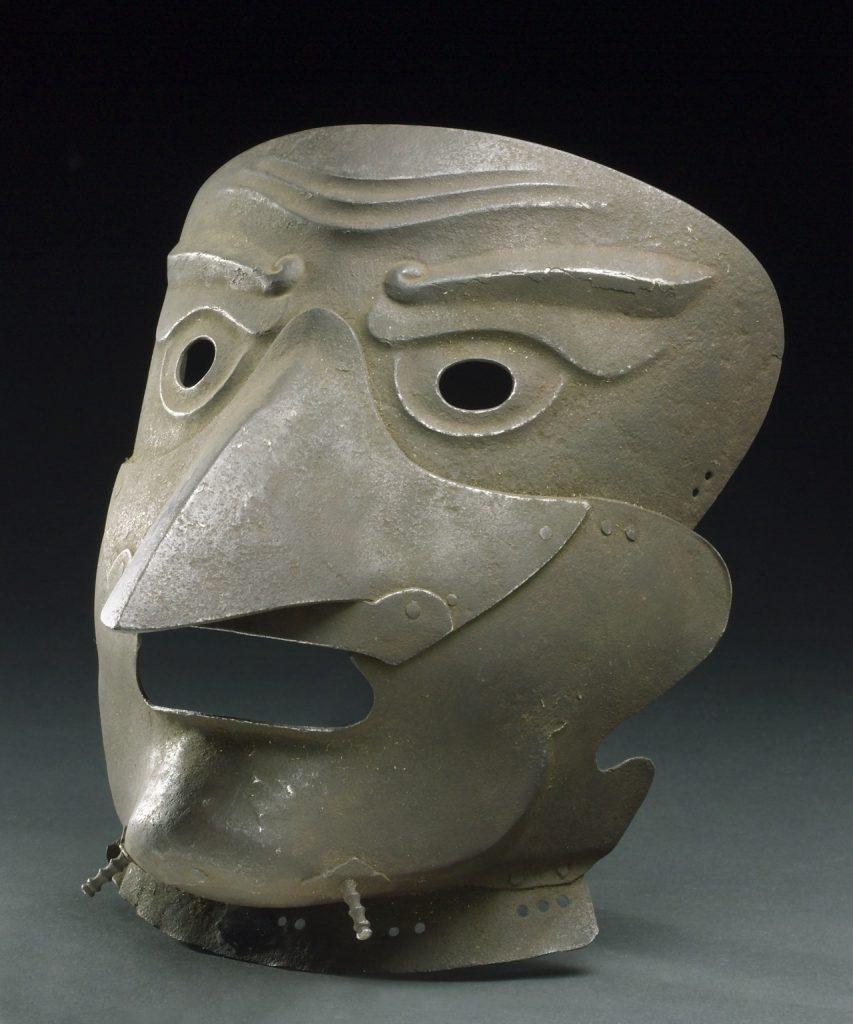
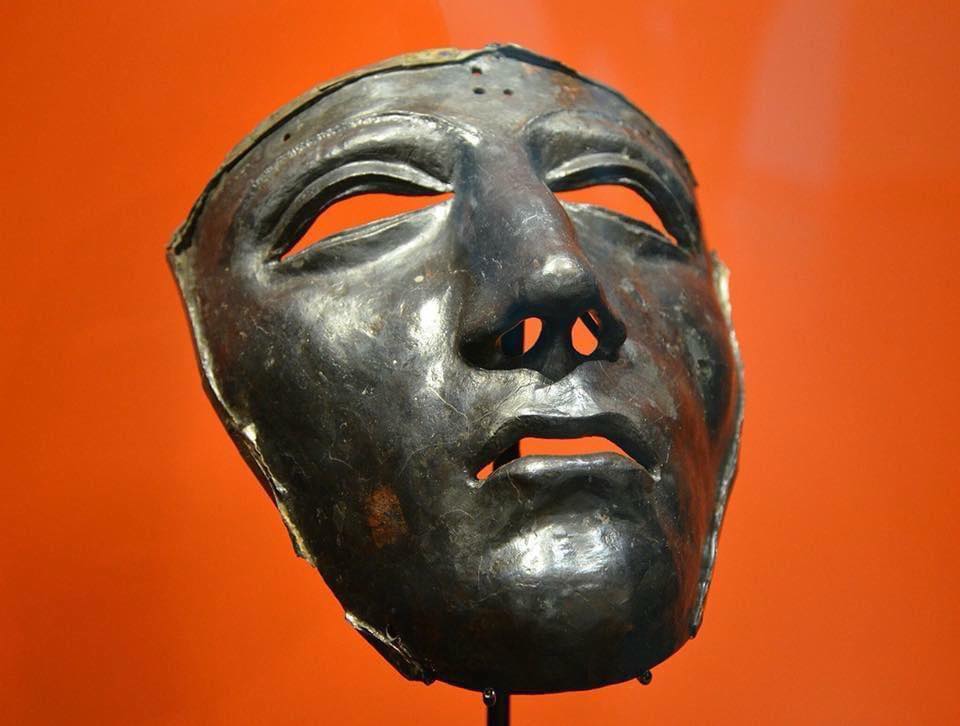
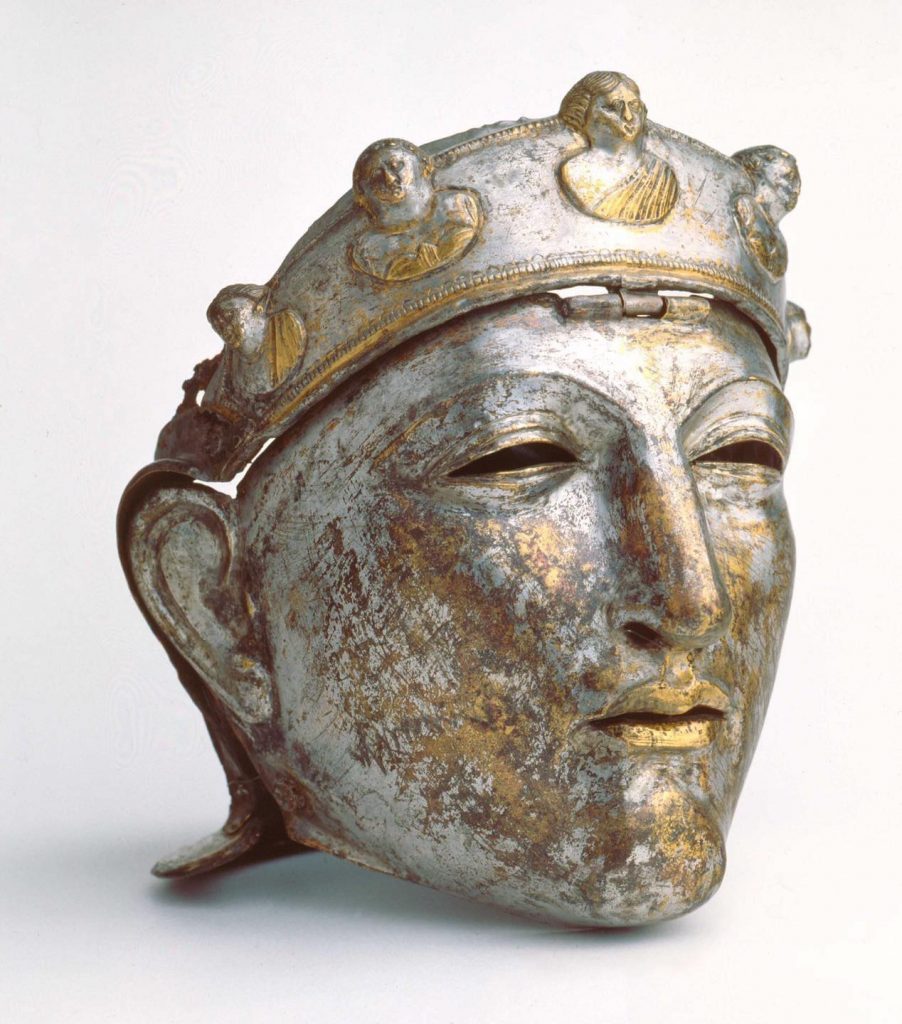
There is a hypothesis that they were not used in battle
but were ceremonial.
I think you got the idea. If people could have endured these heavy masks in battle, I think we can also deal with fabric ones.
Now, let us talk about the masks worn for protection against diseases. The absolute winner here is the plague doctor’s mask.
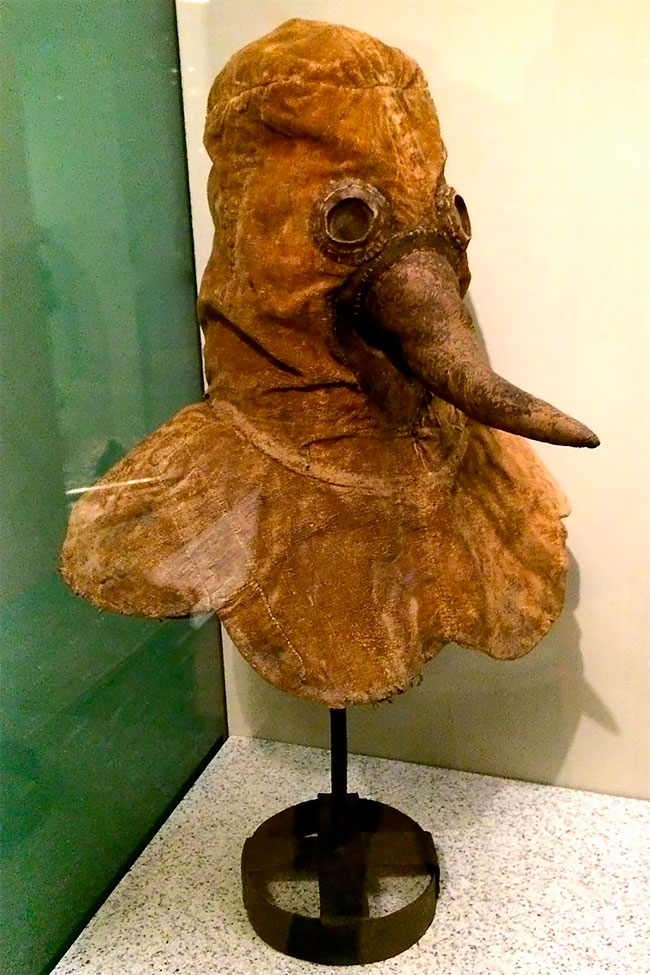
The bird-like beak was stuffed with dried flowers, herbs, and spices.
We should thank doctor Charles de Lorme (1584-1678) for the mask’s horrible design. He was in fact the chief physician to Louis XIII. Most people believe that the mask was used during the famous Black Plague in the XIV century. But it was not. It was invented two centuries later.
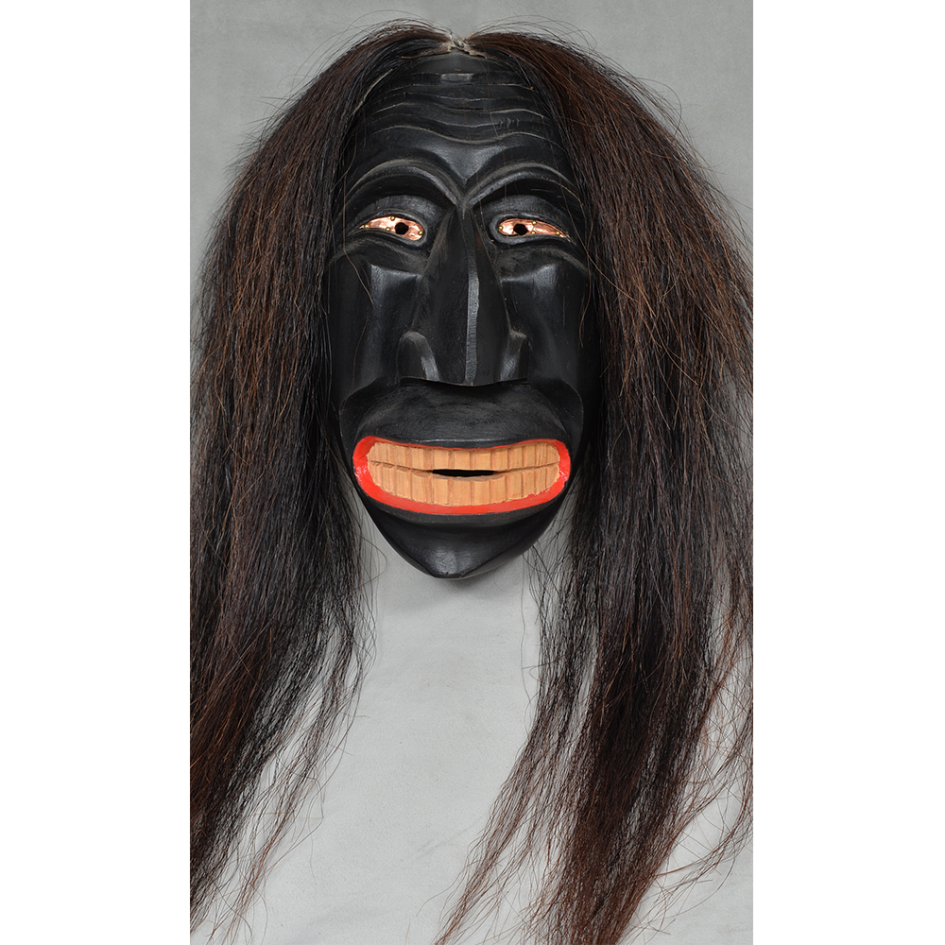
The North American Iroquois tribes used masks for healing purposes. They are known as the False Face Society and two times a year they performed village purification rituals.
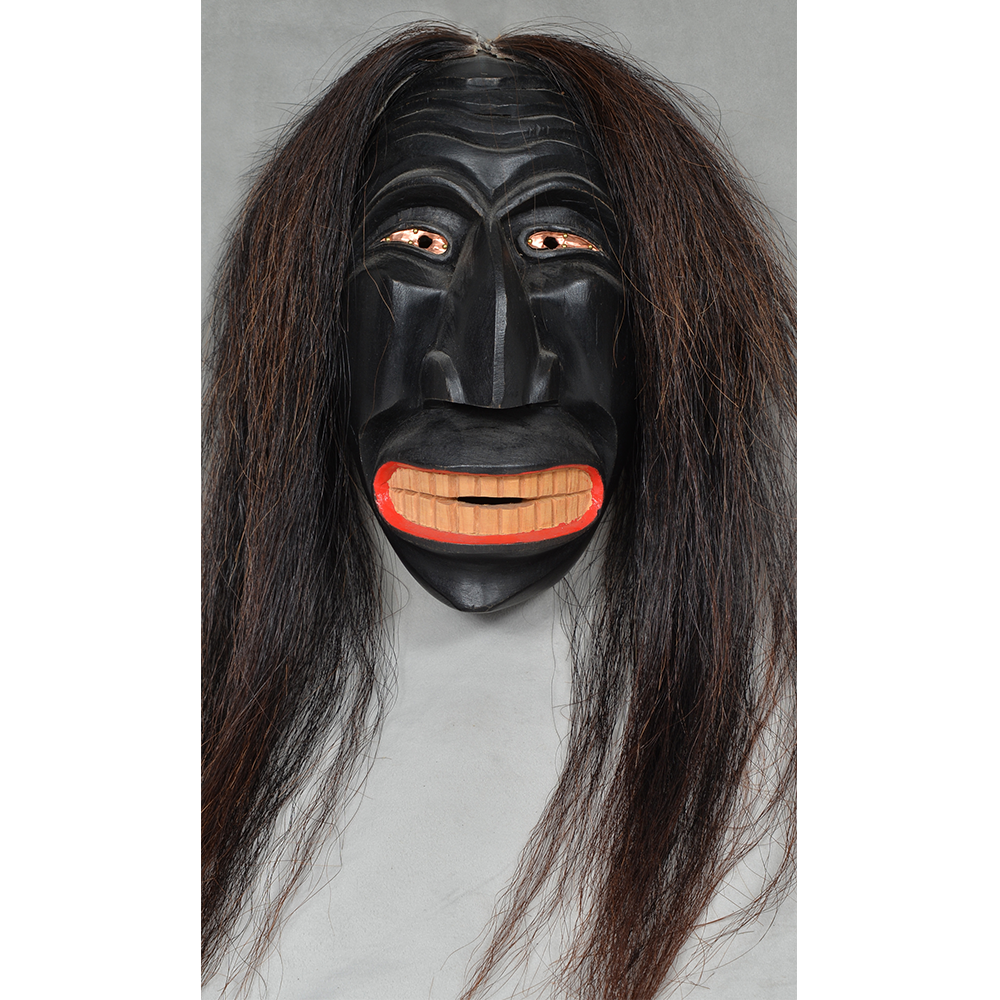
have crooked noses and mouth openings.
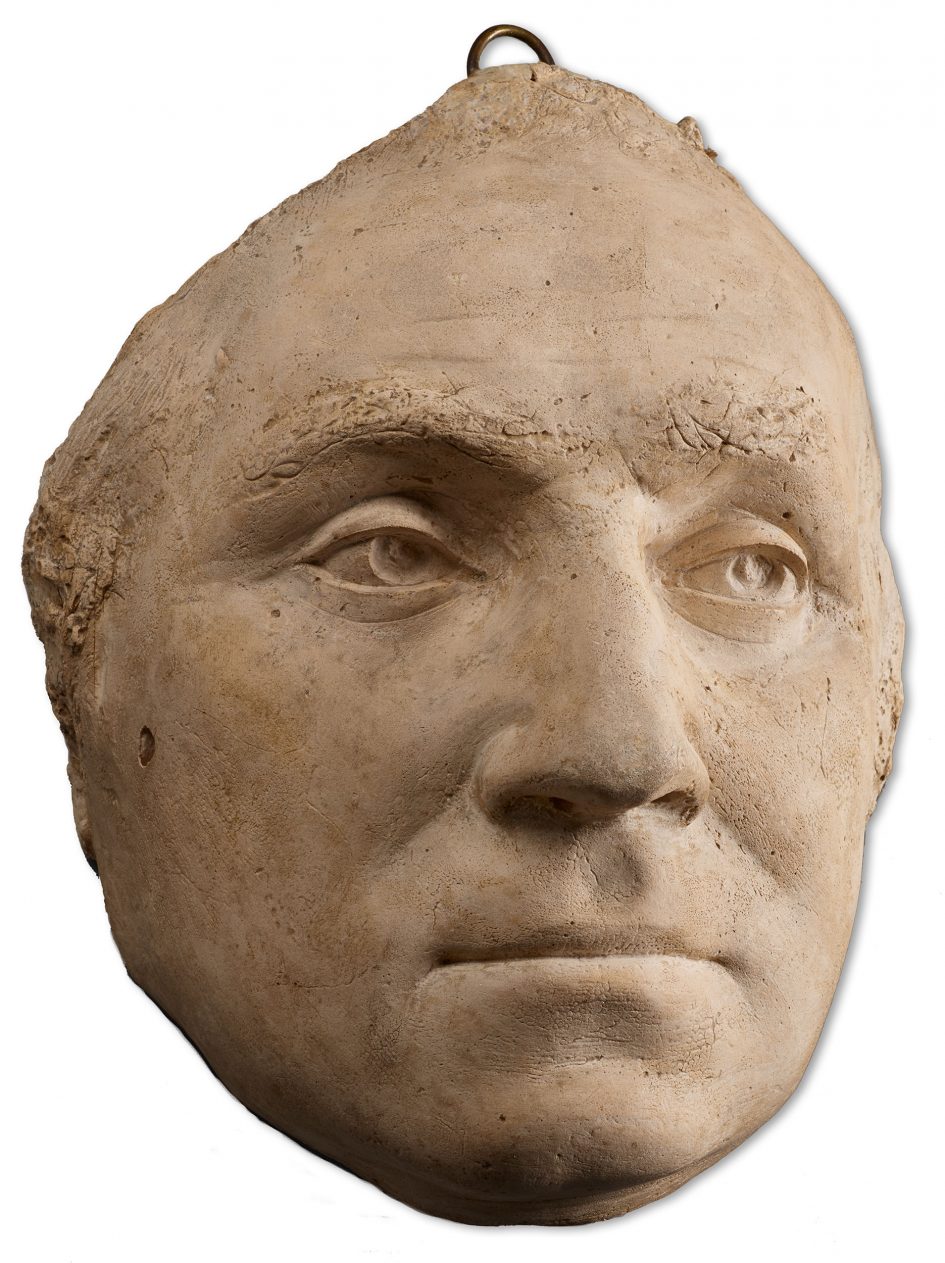
The last category is a bit tricky because it is not about the actual wearing of a mask. In simple words, a death mask is a cast of someone’s dead face. In contrast, the life mask would be simply a cast of someone’s face. Someone alive, if you please.
Death masks were taken of deceased royalty and esteemed people like philosophers, poets, scientists, composers, military and political leaders.
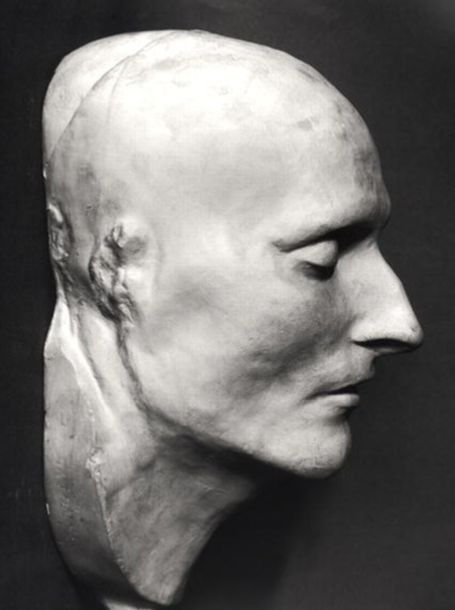
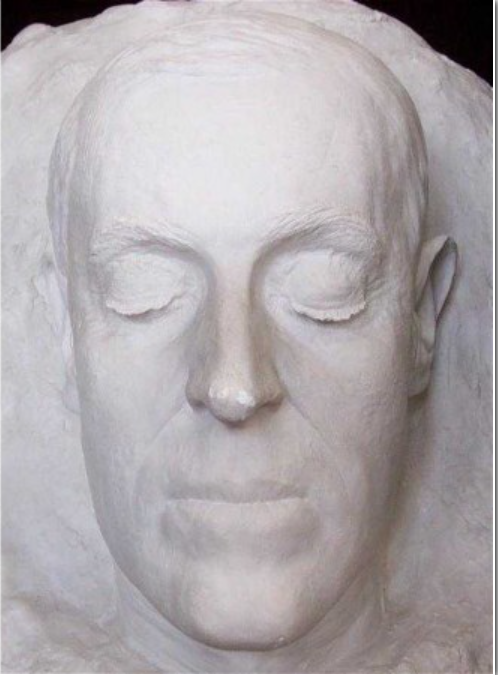
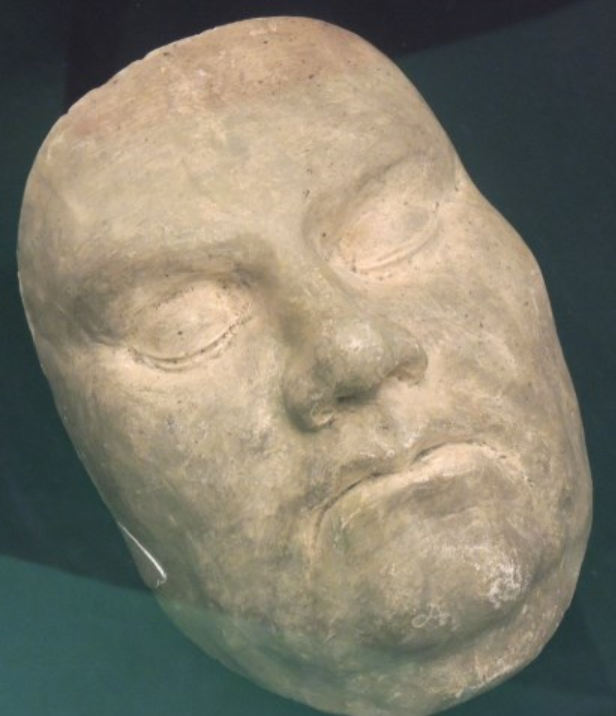
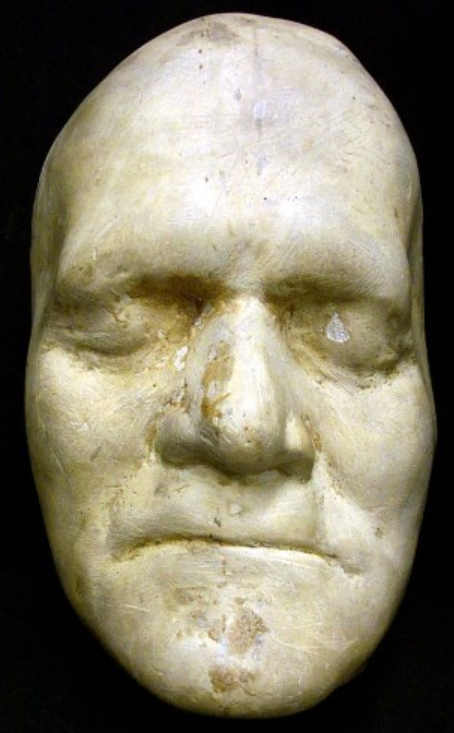
The main purpose of the death mask was to serve as a model for sculptors in creating statues and busts of the deceased person. How can you tell the difference between a death mask and a life mask? Sometimes you can’t. More often, it is in the eyes, chico. They never lie. Because are OPEN.
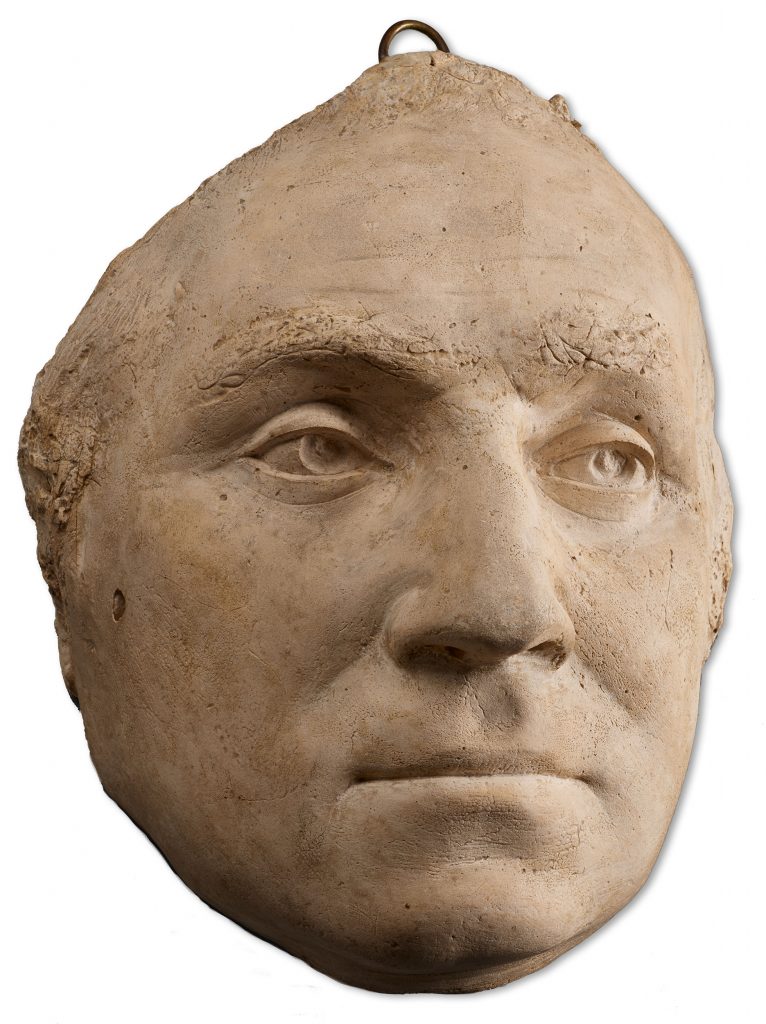
It was later used for a life-size sculpture of the President.
The use of masks is a very ancient human practice. It has been around for what it seems like an eternity and it is here to stay whether we like it or not.
Now, go wear your mask.
Recent Comments