With the renaming of 16th Street in Downtown Washington (on the Lafayette Square, part of President’s Park near the White House) on June 5, 2020, and the painting of the words “Black Lives Matter” in giant yellow letters, it seems only fitting to write a post dedicated to the man whose actions eventually led to the abolishment of slavery in America. What was his name again? Well, none other than the 16th U.S. President Abraham Lincoln.
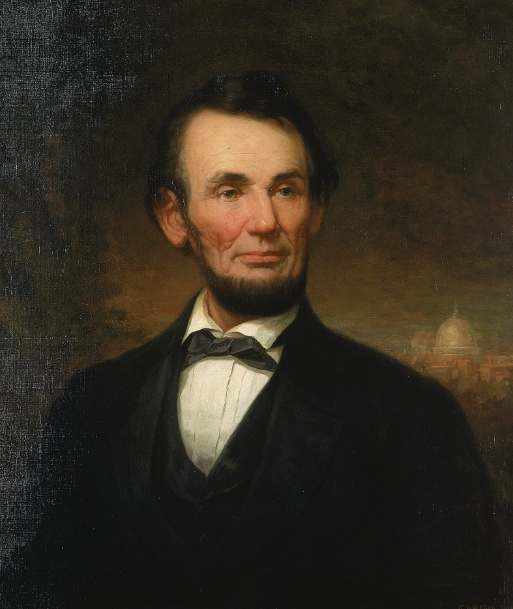
Smithsonian American Art Museum
I have to point out that it was never my intention to write a biography post describing the life and accomplishments of this intriguing person. However, there are certain facts that are interesting and often omitted so I feel I must bring them to life. With this in mind, I will inevitably start with the war that continues to equally fascinate and frustrate people – the American Civil war.
How could a nation dedicated to the preservation of liberty and equality fight such a war at the cost of more than 600.000 American souls? Well, it could. One thing is certain – this war remains the most divisive war in American history.
The Civil war or the Union vs. the Confederacy conflict began with the attack on Fort Sumter in April 1861. It is known that Lincoln didn’t want to be the one to start a war and he left that decision entirely in the hands of the Confederacy. We can all agree that this was rather wise of him. Naturally, as it is in any war, each side had a different goal in mind.
To begin with, the Confederacy wanted to be an independent nation, and to do this, it did not have to invade the North or destroy the Union army. It just needed to fight hard enough and long enough to convince Northerners that the war was not worth its cost. Little did they know what was about to happen, right? In contrast, the North wanted to restore the Union. Its forces had to invade the South and force the breakaway states to give up their quest for independence.
Although slavery helped drive a wedge between Northerners and Southerners, President Lincoln’s original aim was NOT to defeat slavery. He wrote in 1862:
“If I could save the Union without freeing any slave I would do it, and if I could save it by freeing all the slaves I would do it; and if I could save it by freeing some and leaving others alone I would also do that.”
from Abraham Lincoln: His speeches and writings
These words are very powerful and paint a clear picture of the North’s actual goal. This fact is often overlooked in favor of the more popular belief that the war was fought because of the revelation that after all black lives do matter and why not, let’s start a war to help them! Well, not exactly. However, good things come to those who wait and within a year of the war, Lincoln alongside the mighty Congress decided to make emancipation of slaves in the Confederate States a Union policy. It is always wonderful when doing the right thing coincides with politically convenient situations. The Constitution did not give Lincoln the power to end slavery, but it did give him the power to take property from an enemy in wartime. By law, enslaved people were considered property. And well, it was Lincoln’s hand that signed the decree that freed all enslaved people in rebel-held territory on January 1, 1863. Viva la… Emancipation Proclamation!
“I never in my life felt more certain that I am doing right than I do in signing this paper… If my name ever goes into history it will be for this act, and my whole soul is in it.”
Abraham lincoln, 1863
All’ s well that ends well, right? I would just add that what is well for some might not be well for others. Dwell on that would you?
Fortunately, the war finally ended in 1865. The Union won, the South lost its many slaves and Abraham Lincoln lost his life. By the way, he was the first U.S. president to be assassinated. In time, three U.S. Presidents will eventually share the same end: James Garfield, William McKinley, and John F. Kennedy.
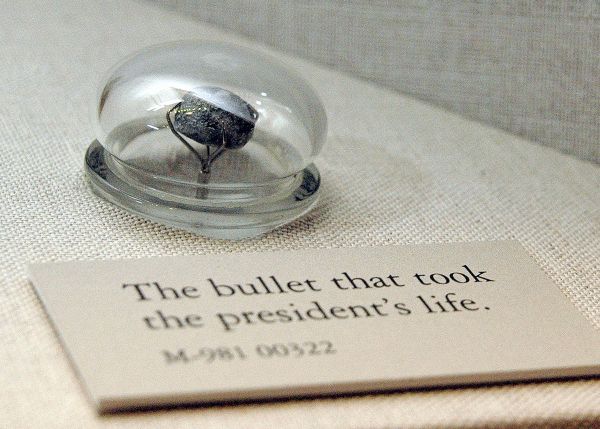
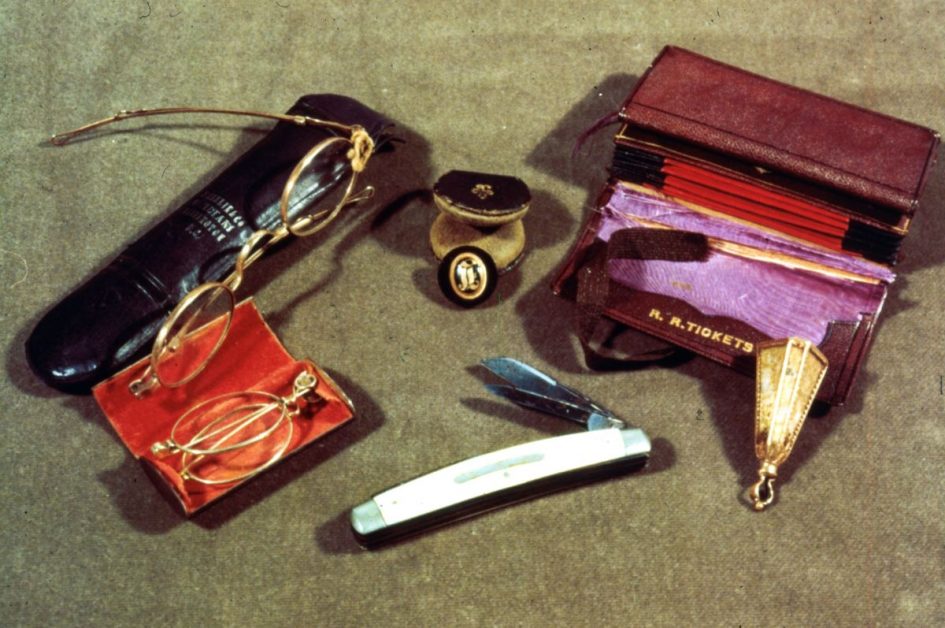
As you might imagine everything belonging to the president was preserved. But you didn’t expect the very bullet, did you? If you are curious what else has been saved, have a look at the contents of Abraham Lincoln’s pockets on the fatal evening:

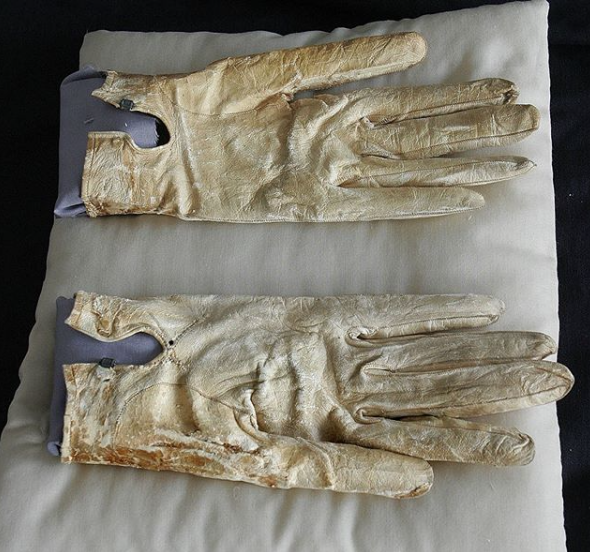
In case you were wondering what the president was wearing that night, you can see that too. Yes, of course, that was kept as well what else did you expect?
His clock has a very intriguing and I would say a rather funny story to tell. I, for sure, am known to always appreciate a good sense of humor and therefore this is a must-see:
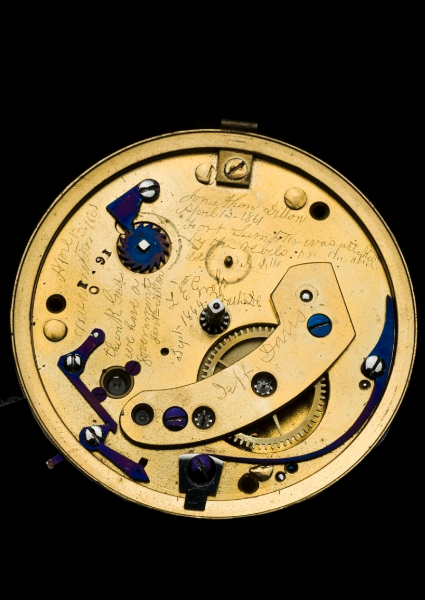
Jeff Davis (The Confederacy President) is among the best.
Great sense of humor don’t you think?
Just as news reached Washington that Confederate forces had fired on Fort Sumter on April 12, 1861, watchmaker Jonathan Dillon was repairing Abraham Lincoln’s timepiece. Caught up in the moment, Dillon unscrewed the dial and engraved: “April 13, 1861 Fort Sumpter was attacked by the rebels on the above date J Dillon April 13, 1861 Washington” and “thank God we have a government Jonth Dillon.” In 1864 a second watchmaker, L. E. Gross, signed his name. Also, at some point, someone etched “Jeff Davis” inside the watch, either as a joke or a statement of support for the Confederacy.
Lincoln never knew about the messages he carried in his watch. The inscriptions remained hidden behind the dial for over a century. Thank you, Smithsonian Museum for sharing them.
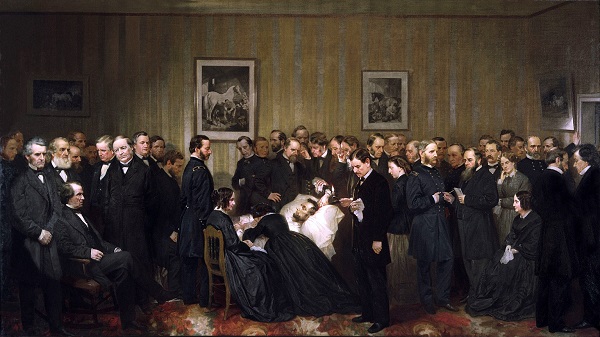
Lincoln had a majestic funeral service with a train that transpored his remains.
Lincoln’s funeral train was the first national commemoration of a president’s death by rail. He was observed, mourned, and honored by citizens from more than 10 cities across America.
A white man was killed but many black lives were saved. We all know that everything in this life comes with a price so I suppose that in order for some to live others have to die. That is the price that had to be paid and in Lincoln’s case, the payment was made in full.
Leave a Reply