

In light of this year’s voting and presidential elections in America, I think it is only fitting to speak about the evolution of VOTING – this very important, often neglected and underappreciated human RIGHT. It is worth following the timeline of voting to understand, and certainly appreciate, what has changed since its creation some 2500 years ago.

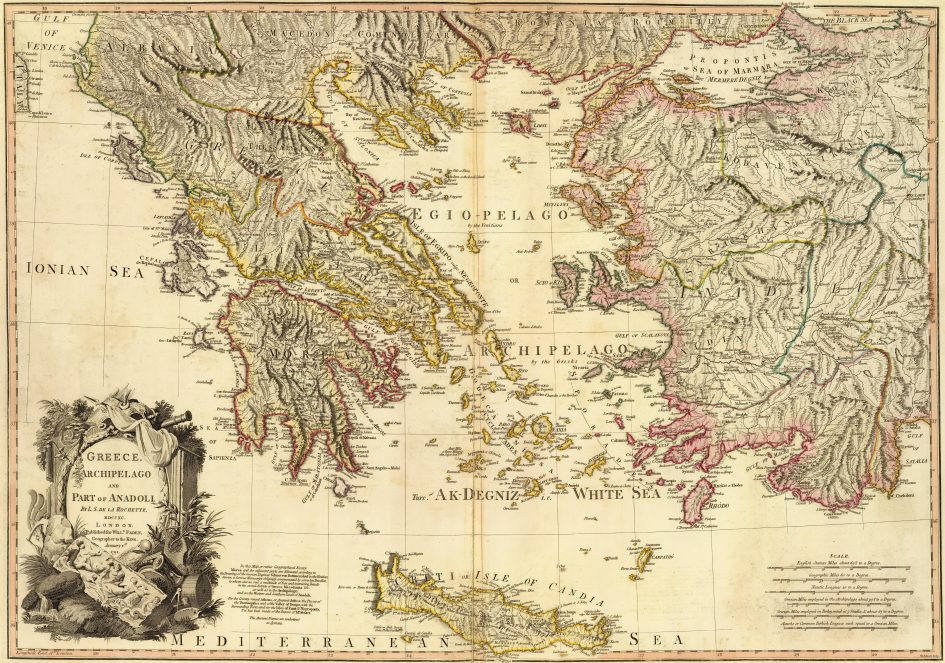
Voting and democracy usually go hand in hand so my first stop has to be Ancient Greece – the cradle of democracy.
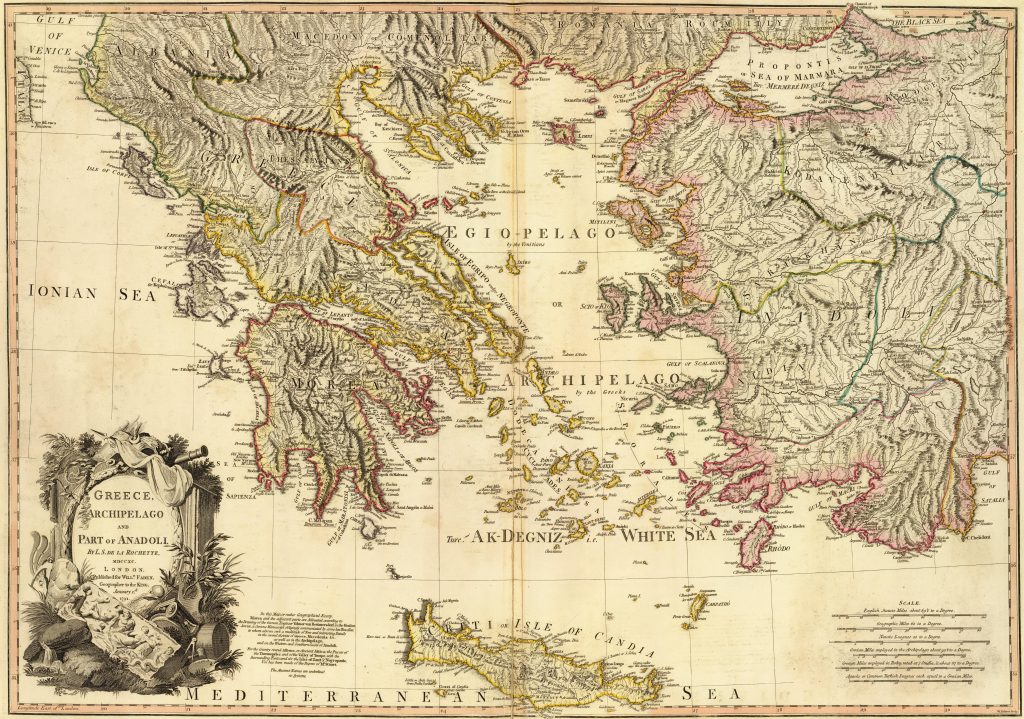
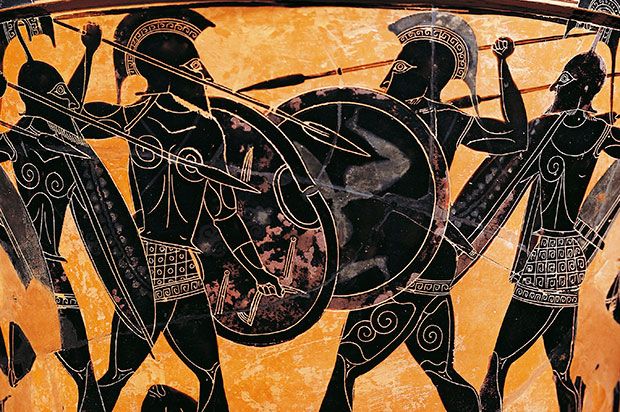
The first known democracy in the world was developed in Athens. We can say that it was the oldest and the most long-lived in the ancient world. However, the Greek idea of democracy was very different from the present-day one and far from flawless. Women, children and slaves were not able to vote.
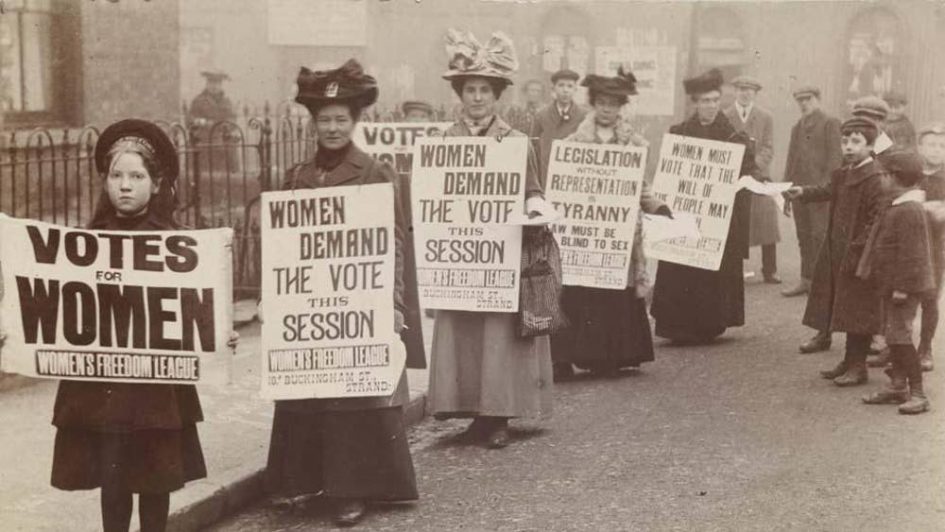
Probably you know it but I just can’t stop my fingers from writing it down – it took humankind thousands of years to allow its women the right to even speak their mind, let alone vote. Such a shame, right?
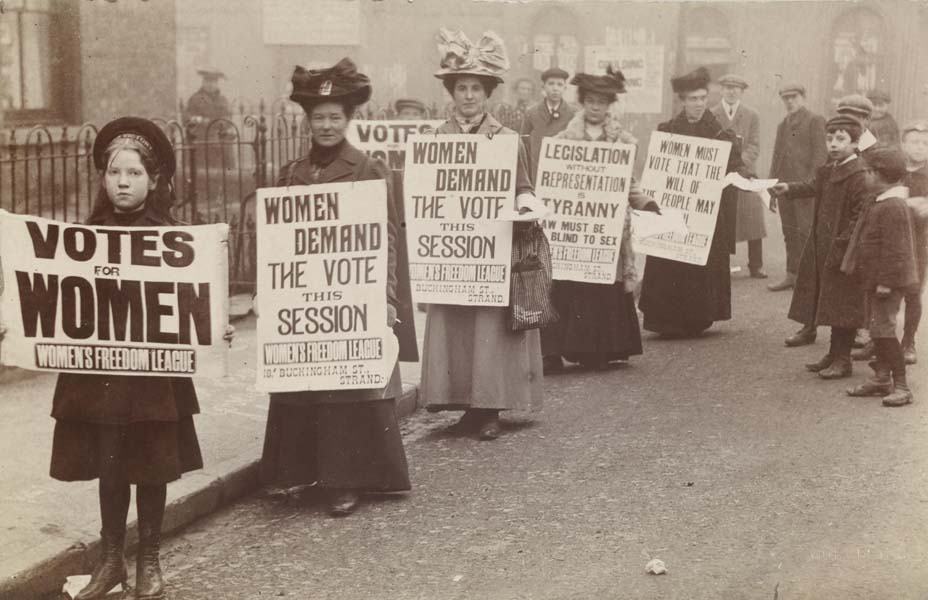
and therefore they are worthy of voting.
In Ancient Greece every male citizen in Athens over the age of 20 was able to vote. But how was the actual voting done you might wonder?
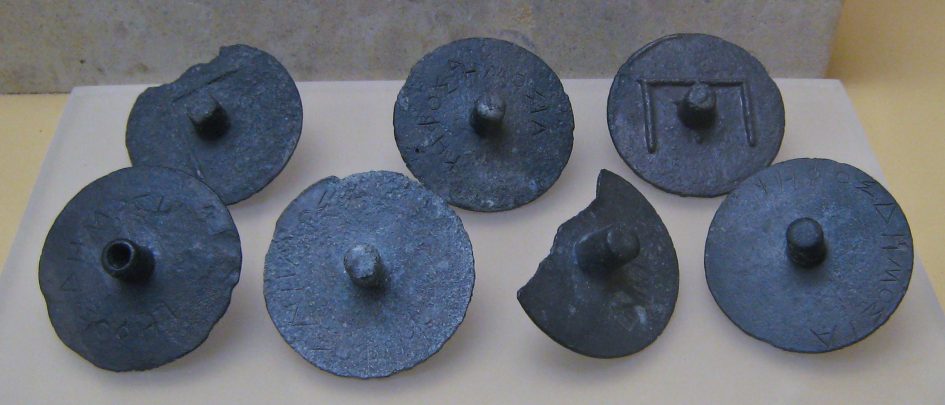
In criminal trials, the jurors voted on the guilt or innocence by dropping bronze ballot disks into urns. The first use of paper ballots to conduct an election appears to have been in Rome in 139 B.C, following the introduction of the lex Gabinia tabellaria. You can google that one.
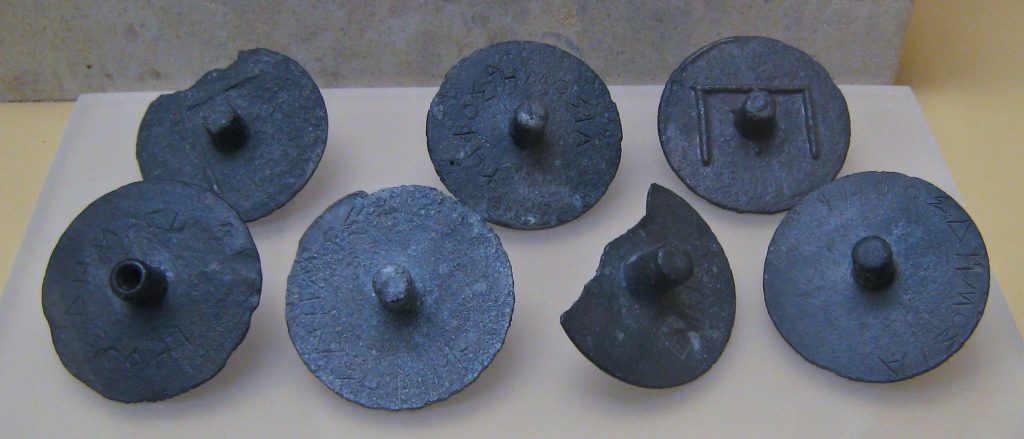
It is worth mentioning that imprisonment was rarely, if ever, used as a punishment. The most common types of penalties in public suits were monetary fines and execution, which involved either poisoning by hemlock or being shackled to wooden planks and left to die. The Ancient Greeks were pretty straightforward. Money or death. No in-between.

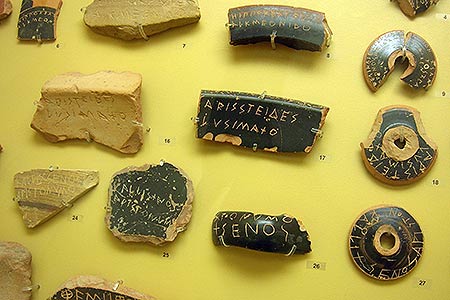
Get-out-of-my-town sort of politics.
Along Athens, Sparta was the other Greek city-state with great importance. My personal favorite, by the way. It was famous for its military prowess and unique political system. Everything about Sparta was unique actually. In contrast with Athens, the Spartan voting was a very curious and weird process.
In Sparta, members of the Council were elected by a method called “the … SHOUT“! Shout? Shouting!? Come again? Yes, you read that one right. Even Aristotle wrote about their voting style and dared to call it “childish”. But how was it done? The candidates’ order was not known to the evaluators who were seated in another room. The evaluators’ job was simply to assess the loudness of the shouting each candidate received when he walked in front of the assembly. Some ears they must have had, huh? The candidate receiving the loudest shouts and applause was deemed the winner. What a show that must have been. I wonder if going deaf was an occupational hazzard for the evaluators.

Ancient Rome comes next when writing the backstory of voting. Truth be told, the Romans used to vote a lot. In fact, the word “candidate” comes from the Latin “candidatus” and it means “whitened”. That is because those standing for election in Rome used to wear specially whitened togas.
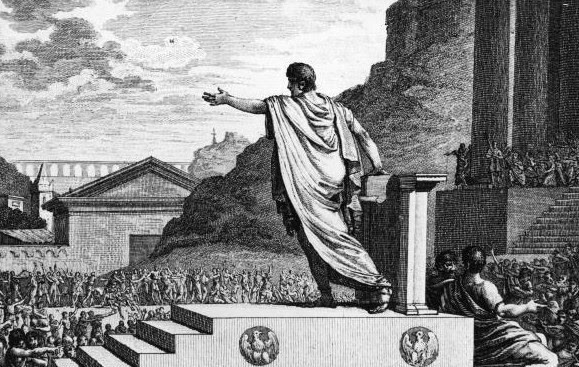
The Roman citizens were divided into groups of votes and delivered one vote per group. However, the Romans never seem to have devised any system of local voting, so everyone who wanted to vote had to come to the city. Not very practical, dear Romans.
Nowadays, depending on where you come from of course, you can vote by using postal ballots, paper ballots (which are by far the most common form of voting) or by electronic voting machines. We have it all and yet – we don’t care for it as much as we should. Let’s take a second to appreciate how far we have come:

Before 1776: In America only white men who owned property were able to vote.
1856: In America all white men are granted the right to vote.
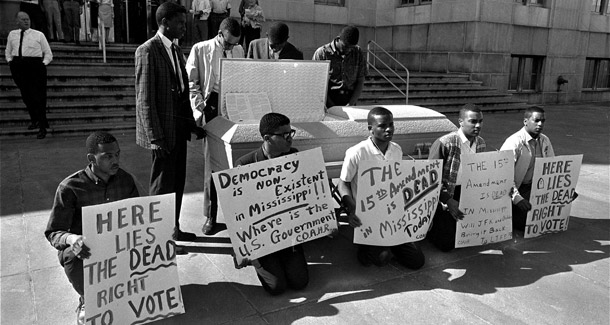
1870: Black men are granted the right to vote on paper – the 15th amendment states that the “right of citizens of the United States to vote shall not be denied or abridged by the United States or by any state on account of race, color, or previous condition of servitude.”
1890: Wyoming becomes the first state to grant women the right to vote.
1893: New Zealand women receive the right to vote.
1911: California gives women the right to vote.
1917: Canadian women receive the right to vote.
1920: In America, on August 18, Congress passes the 19th Amendment to the Constitution giving women the right to vote.
1924: In America, the Indigenous people are granted citizenship. However, many state laws prohibited them from voting.
1928: Women in the United Kingdom and Ireland receive the right to vote.
1944: Women in France receive the right to vote.
1950: Women in India receive the right to vote.
1952: In America, the asian immigrants are given the right to become citizens and are allowed to vote.
1964: In America, on January 23 Congress passes the 24th Amendment to the Constitution outlawing poll taxes. Poll taxes, or tax fees for voting, have been used to discourage poor people from voting.
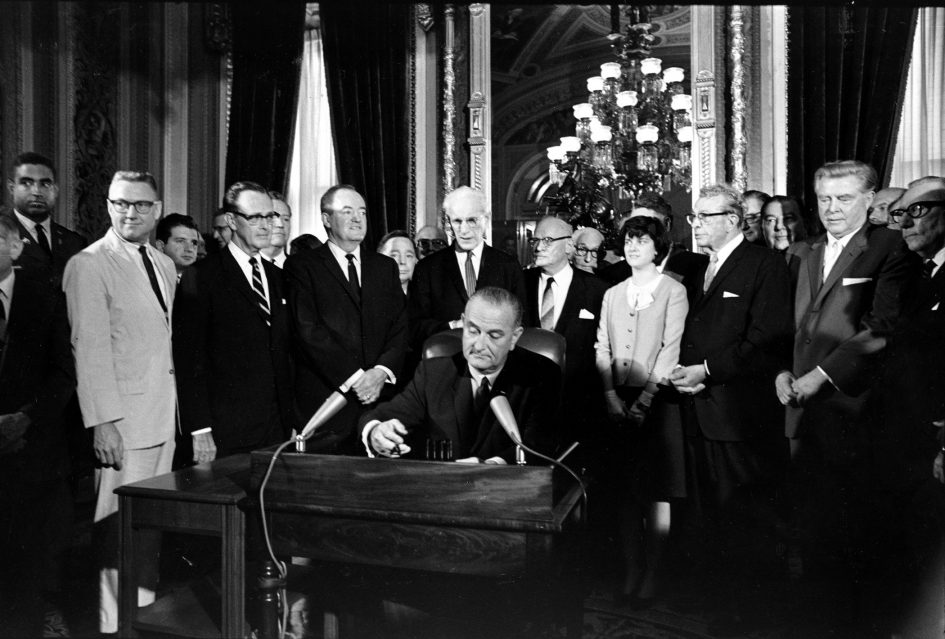
1964-66: In America, black women and men gain the vote without facing any of the voting barriers from the Jim Crow era. The Voting Rights Act of 1965 secured the right to vote for almost all races and ethnic minorities.
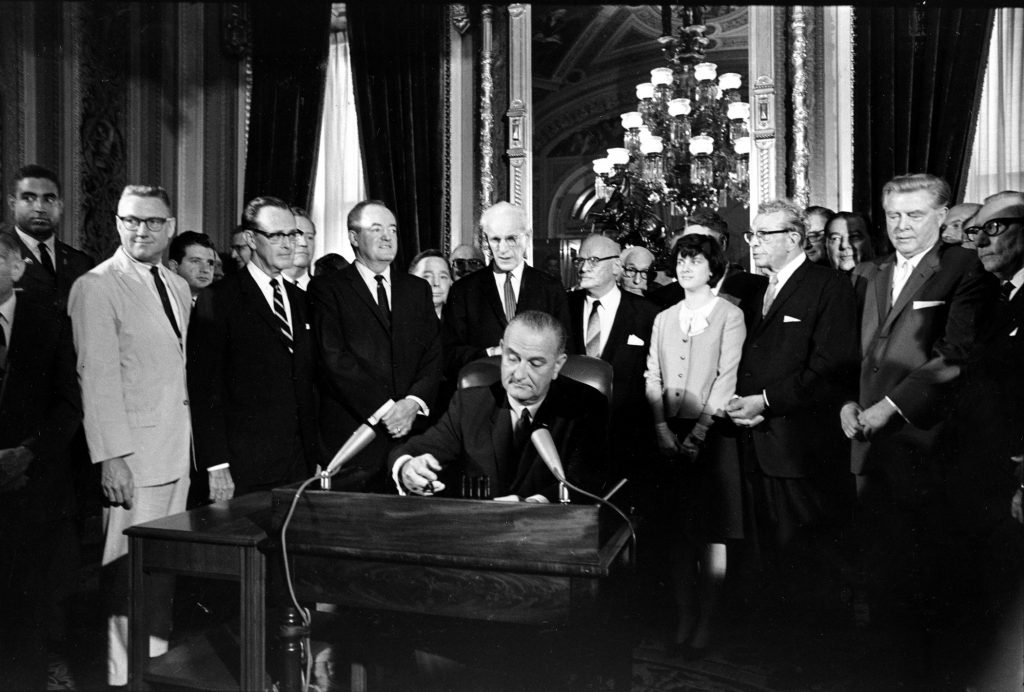
1971: In America, voting age is lowered to 18 on the belief that those that are old enough to fight in wars are old enough to vote.
1975: In America, the extension of the Voting Rights Act is passed to protect the minorities from voting discrimination.
1990: The Soviet Union holds its first elections.
1994: First multiracial election in South Africa takes place. Until now, only white people have been allowed to vote.
We’ve come a long way since voting was something you had to fight for. It was earned to be a right, not a privilege.
You know… dwell on that.
Leave a Reply