If we were to hold a mock trial of humanity vs. business today with all the rights that exist to protect the individual and its liberties, I would say that humanity has a chance. A small one. Tiny one. But still … a chance. But if we go back in time, to let’s say XIV-XVIII century – humanity in no way compared or mattered as much as business did. Not a surprise really. What is surprising is the extent of evil, cruelty and pain that some people were capable of inflicting on others.
I would like to point out that in the face of quick money and profit little good was done. In fact, most people turned a blind eye to murder, abuse and theft – especially if profit was on the table. I can give many historical examples but for the purpose of this post I will concentrate on the wrongs of colonization and slavery.
Evidence of slavery predates written records, and has existed in many cultures. We have it present in the first civilizations, during the Middle Ages and all the way until 21st century, although now it has taken a slightly different form and it is more … modern.
So, there we have it – slavery and humankind go hand in hand and will continue to do so for as long as the Earth is habitable. Why? Let me put it simply – it is a huge business that pays extremely well.
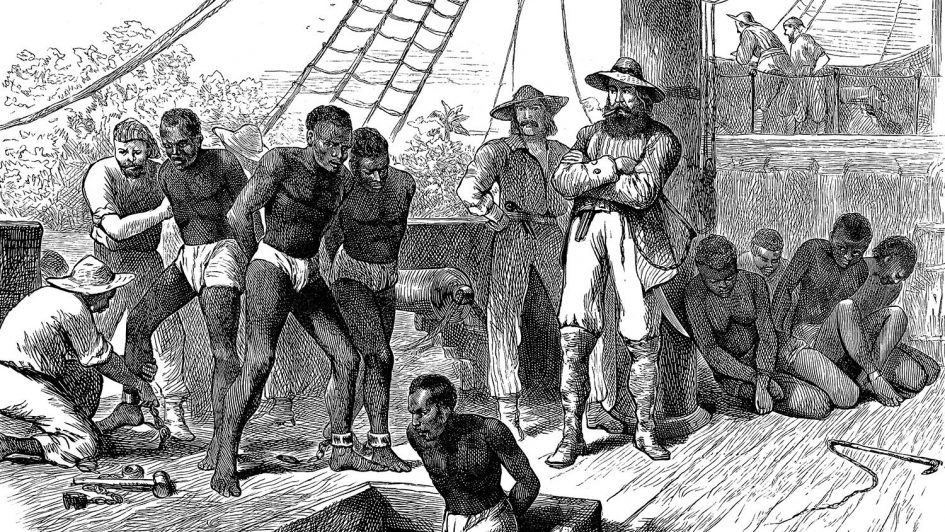
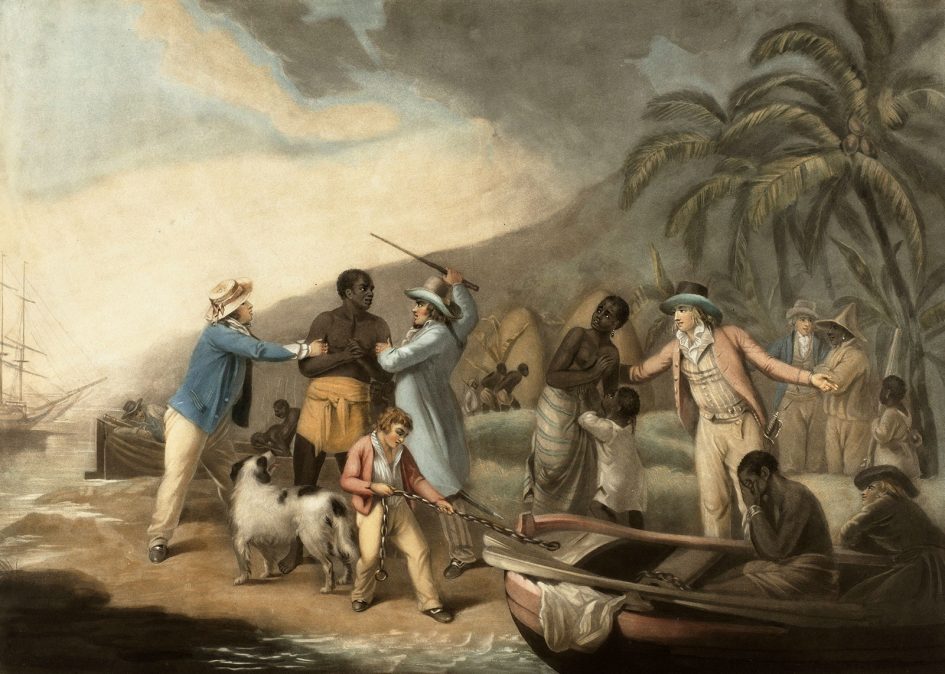
The background information is the following: The African continent was bled of its human resources via all possible routes. Across the Sahara, through the Red Sea, from the Indian Ocean ports and across the Atlantic. The Spanish colonists were the first Europeans to use African slaves in the New World on islands such as Cuba and Hispaniola. During the Atlantic slave trade era, Brazil imported more African slaves than any other country. Nearly 5 million slaves were brought from Africa to Brazil during the period from 1501 to 1866. Slave labor was the driving force behind the growth of the sugar economy in Brazil, and sugar was the primary export of the colony from 1600 to 1650. In fact, Brazil was the last country in the Western world to abolish slavery.
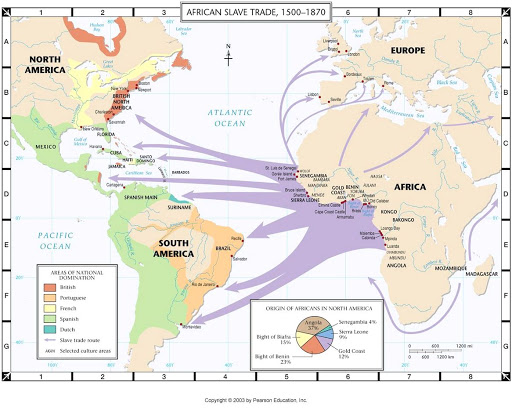
Although the Atlantic slave trade was not the only slave trade from Africa, it was the largest in volume and intensity.
England played a prominent role in the Atlantic slave trade. In the 1740s British ships transported 200.000 men, women and children as slaves. Forty years later, more than 750.000 people crossed the Atlantic ocean only to be sold like animals. As a total estimate, around 11 million people were torn away from their loved ones only to live a life not worth living. Each individual had its own tragedy and that tragedy was great. Slaves were punished by whipping, shackling, hanging, beating, burning, mutilation, branding, rape and imprisonment. I am not going to further describe what a typical day in the life of a slave looked like. It is just heart-breaking. However, if you would like to read a firsthand account google The Diary of Thomas Thistlewood.
This is, in my opinion, the saddest period in human history. It is a well-known fact (but likely to be swept under the rug every now and then) that throughout history, people have done terrible things for money, power, glory, in the name of God (of course), pleasure and many other reasons – some most common than others.
What is worse is that history has the habit of repeating itself. How likely are we to repeat the mistakes of the past? Dwell on that, would you please.

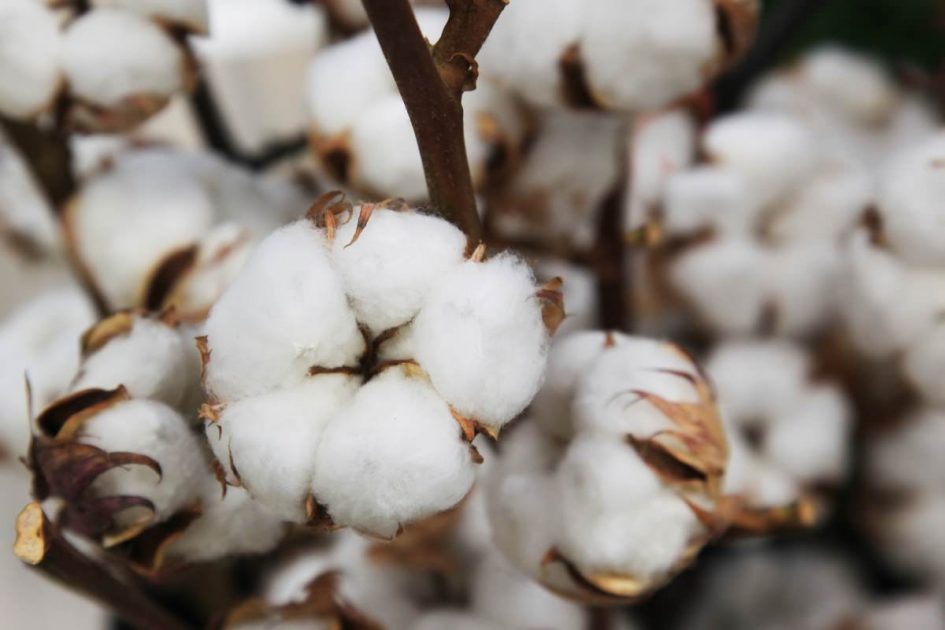
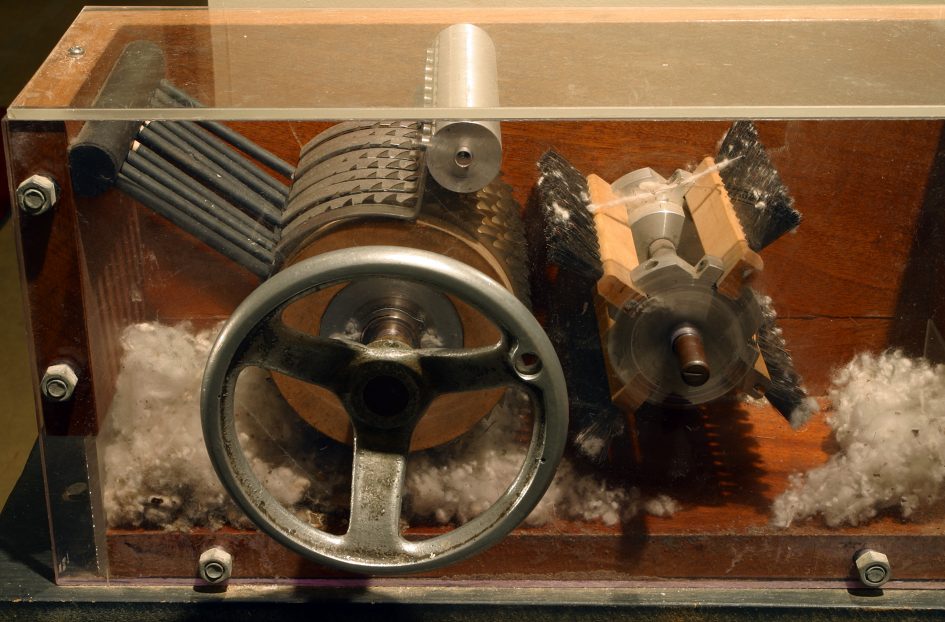
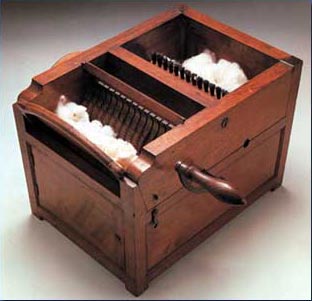
America is a special case. Slavery had existed all across colonial America and it died out in the North simply because it did not pay. Most Americans, North and South alike, considered that eventually it would go out of existence everywhere. But that simply wasn’t made to happen. In 1793 Eli Whitney invented the cotton gin and it helped workers process 50 times more cotton each day than they could by hand. The use of this invention had important consequences. I am sure that no one could have foreseen the ways in which this invention would change society for the worse. It encouraged farmers to grow more cotton in more places and the demand for slave labor increased. Remember the saying what is good for some might be bad for others, right? Well, that was certainly the case.

It is as fluffy as it looks!
In America, before 1863 slavery was not only legal but also as it turned out – supported by the mighty U.S Constitution. But how, you might ask? Well, the not-so-famous Dread Scott v. Sandford case gives us a good explanation. Students who are reading this … read well because I always include this case in my tests.
Dread Scott was an enslaved African American bought by a doctor in Missouri, a slave state. In the 1830s, the doctor moved with Scott to Illinois, a free state, then to Wisconsin Territory and back to Missouri. In 1846 antislavery lawyers helped Scott sue for his freedom. Scott claimed he should be free since he had lived in areas where slavery was illegal. Eleven years later, the case reached the Supreme Court. The case actually gave the Court a chance to rule on the question of slavery itself. Well, you can imagine how that turned out.
Chief Justice Roger B. Taney wrote the Court’s opinion: Dread Scott is an enslaved person and as such, he was not a citizen and had no right to bring a lawsuit. Taney wrote that living on free soil did not make Scott free. A slave was property and the 5th Amendment prohibited the taking of property. And …. we are back to square one. It turned out that the Constitution protected slavery. What is also interesting is that this case proved that nothing could legally stop slavery. And that was a revelation.
However, there was light at the end of the tunnel. Six years after the Court’s decision, the Emancipation Proclamation (1863) was issued – freeing all the slaves.
On December 10, 1948, the United Nations General Assembly adopted the Universal Declaration of Human Rights, which declared: Freedom from slavery is an internationally recognized human right. Sounds great, right? Even though slavery is outlawed in every country, the number of slaves today is estimated as between 12 million and 29.8 million.
The estimated number of slaves is debated, as there is no universally agreed definition of modern slavery. Those in slavery are often difficult to identify, and adequate statistics are often not available. The International Labour Organization estimates that, by their definitions, over 40 million people are in some form of slavery today. 24.9 million people are in forced labor, of whom 16 million people are exploited in the private sector such as domestic work, construction or agriculture; 4.8 million persons in forced sexual exploitation, and 4 million persons in forced labor imposed by state authorities. 15.4 million people are in forced marriage.
So very sad.
A penny for my thoughts?
Well, no one gave me a penny … but here are some of my thoughts to dwell on:
- The economies of the most prosperous countries were fueled by the slave trade. Famous cities, palaces and mansions were built with African blood.
- When the slave trade was at its peak, public opinion found nothing wrong with it.
- If it is profitable, is it always “good”?
- Not all “good” things are necessarily morally right.
- Sometimes, under certain circumstances, even the best of people can “go with the flow”.
- All’s fair in love and war. Well, so it’s in business.
- “Black Lives Matter” in business? Think again. Lives come in many colors and shapes, and their value is little – especially if we have people doing business.
- Money is the root of all evil?
- One man’s meat is another man’s poison.
Well, wise men have said it – money is not everything in this life. It can’t be. It shouldn’t be. The things that bring value, worth and meaning in this otherwise hollow world are others. When will humankind find them?

Leave a Reply