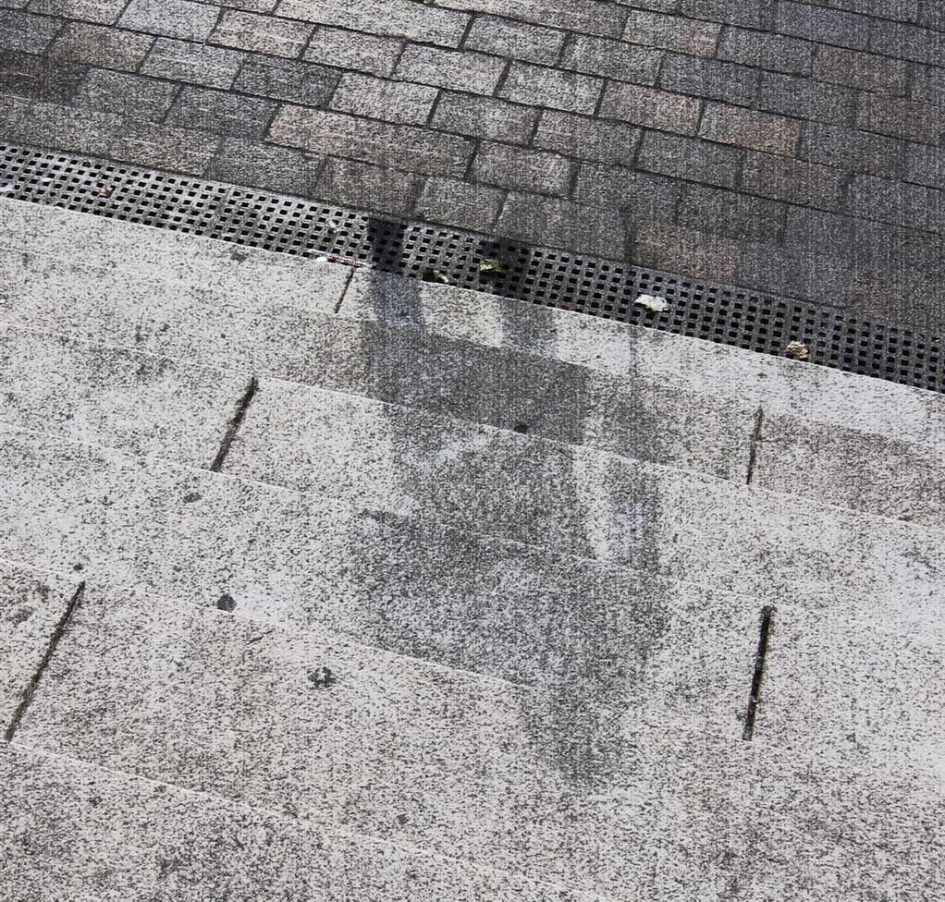
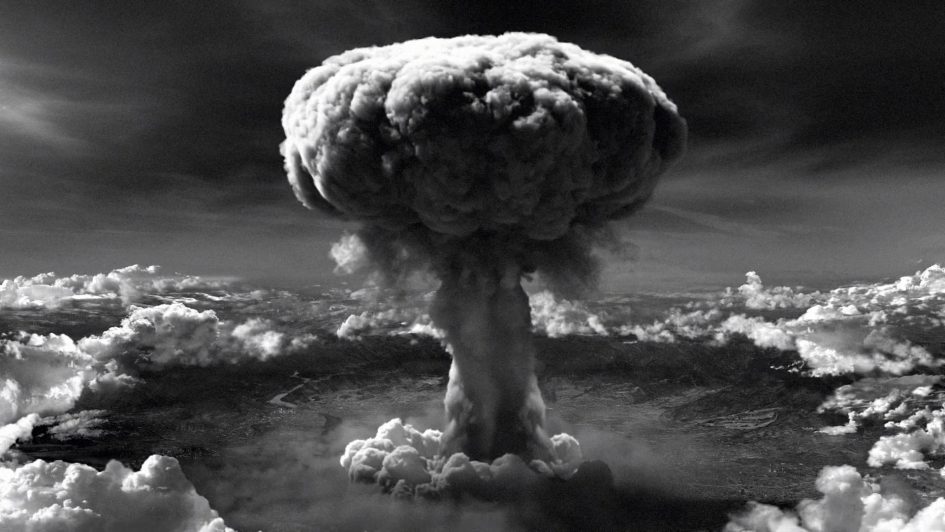
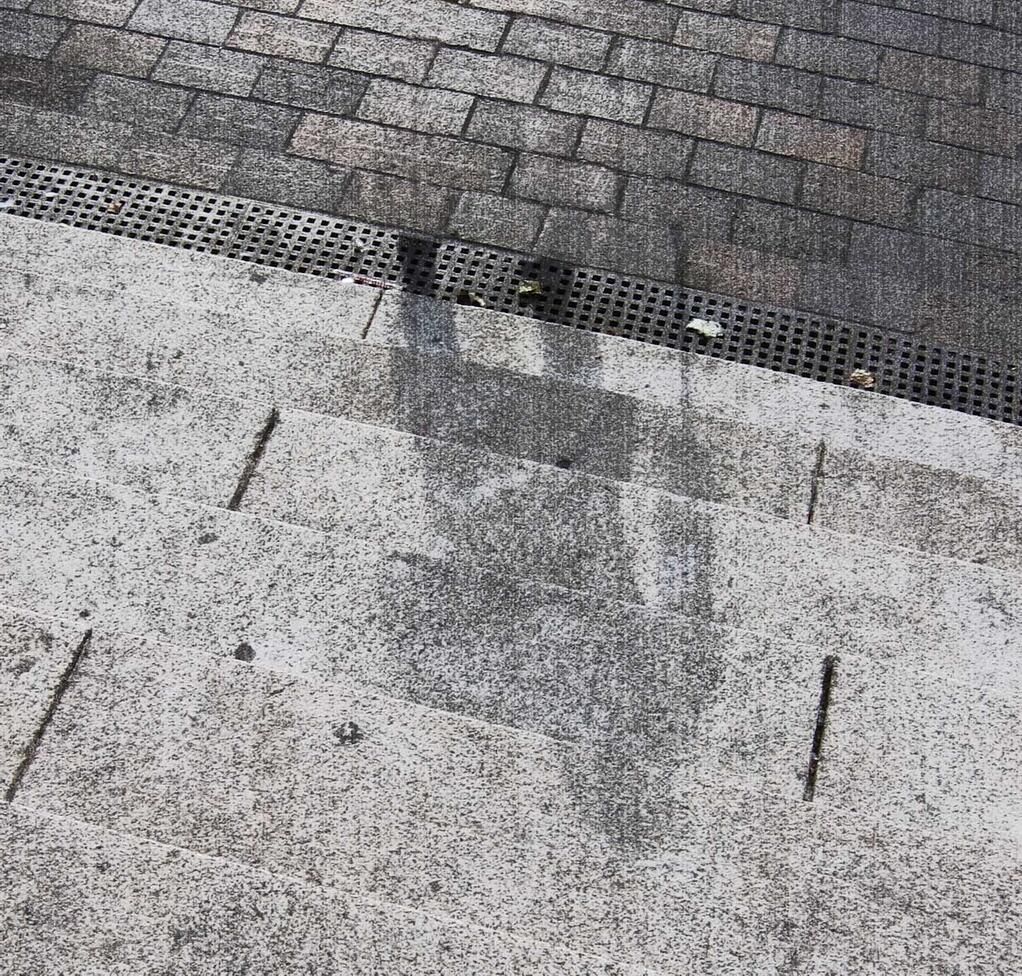
Things change with time. Things can change in a moment of time. Some 75 years ago, today, on the 6th of August at 8:15 a.m, the first atomic bomb was dropped over the city of Hiroshima, Japan. Over a hundred thousand people were gone in an instant. Incinerated in the boiling atomic light. And in their place… a mere shadow was left as a grim reminder of a life taken away. As if it had never existed. Many thousands more were cursed by the radiation.
Three days later, on the 9th of August, the second atomic bomb hit the city of Nagasaki doing what was made for. Taking lives. In an instant. “The destroyer of worlds.” Some moments in time change everything.
“It has been said, “time heals all wounds”. Well… I do not agree. The wounds remain. In time, the mind, protecting its sanity, covers them with scar tissue and the pain lessens. But it is never gone.” On this anniversary, let us never forget the scars of the first atomic bombings. Scars show us where we have been and what we have done. They remind us that the mistakes of the past are real. And some mistakes should never be repeated.
Food for thought:
- The 20th century was a test bed for big ideas – fascism, communism, the atomic bomb. What a century, huh?
- “The making of the atomic bomb is one of history’s most amazing examples of teamwork and genius and poise under pressure. But it’s also the story of how humans created a weapon capable of wiping our species off the planet. It’s a story with no end in sight. And, like it or not, you’re in it.“
- After the making of the atomic bomb, scientists started a petition to appeal to the U.S. President to consider alternative plans. They were afraid of their own monster.
- “Mr. President, I feel I have blood on my hands.” The father of the atomic bomb, J. Robert Oppenheimer.
- “I didn’t hesitate a minute, and I’ve never lost any sleep over it since.” President Harry Truman on his decision.
- “In the bombing of these cities it was certainly decided to kill the innocent as a means to an end. And a very large number of them, all at once, without warning, without the interstices of escape or the chance to take shelter, which existed even in the ‘area bombing’ of the German cities.” With any other weapon there is a chance of survival. Not with nuclear. Don’t people deserve to have that chance?
- The significance of Hiroshima and Nagasaki is not simply that it was so terrible, but that something so terrible gained such widespread support. In 1945, a Gallup Poll found that 85% of Americans approved of the bombing while only 10% disapproved.
- US officials suppressed the information about radiation from the atomic bombs by censoring newspapers and by limiting the circulation of the earliest official medical reports. American officials confiscated Japanese reports, medical case notes, biopsy slides, medical photographs, and films.
- “In the long run, the radiation from the bomb was more significant than the blast or thermal effects.” Yet, for years that radiation remained the least publicized and least understood of the atomic bomb effects.
- The toughest question: Was the bombing a necessary evil or a moral disaster?
- “Let us do evil, that good may come”. Does it always come down to this?
Dwell on that.
Some mornings are different than others.
Not all anniversaries are happy but all must be honored.
Consider this while drinking your morning coffee. Because well … it has been 75 years and some scars are there to stay.

The specific “mushroom” cloud is breath-taking. Or better, life-taking.
“The night is dark and full of terrors”, huh?
Well, mornings can be dark and full of terrors, too.
Leave a Reply